Short on time and money? Home organization for moms works best in small passes: pick a single room, choose containers your kids can use themselves, and keep a short weekly plan. Start where daily friction is highest.
This guide sorts a household into routes by what you are facing right now: a baby on the way, toys taking over, weeknight dinners, or a budget that needs tracking. Each route links to a deeper guide, so you can work through the topics in the order your home needs.
Choose your starting route
The best place to begin is the spot that costs you the most time or patience every day. A tidy shelf in a room you rarely use changes little, while a fixed dinner routine or a toy bin that works can change every evening.
- Expecting a baby: start with the nursery and the safety checks, then the changing area and clothing storage. Our guide on how to prepare your home for a newborn gives a countdown to follow.
- Toys everywhere: go straight to the toy storage section below, choose containers that match how your children actually play, and decide what lives where.
- Evenings feel chaotic: start with meal planning, clothes laid out the night before, and a weekly planning slot.
- Money is tight: read the budget and time section first. Most of the useful ideas in this guide cost little or reuse what you already own.
- Older kids and paperwork: skip ahead to the homework station and records section.
Whichever route you pick, work in sections rather than attempting the whole house. A home-organizing blog, Living Well Mom, describes decluttering in sections as a must to avoid burnout, and that matches how a busy parent actually has time to work: a shelf, a drawer or a corner at a time.
Nursery and baby space
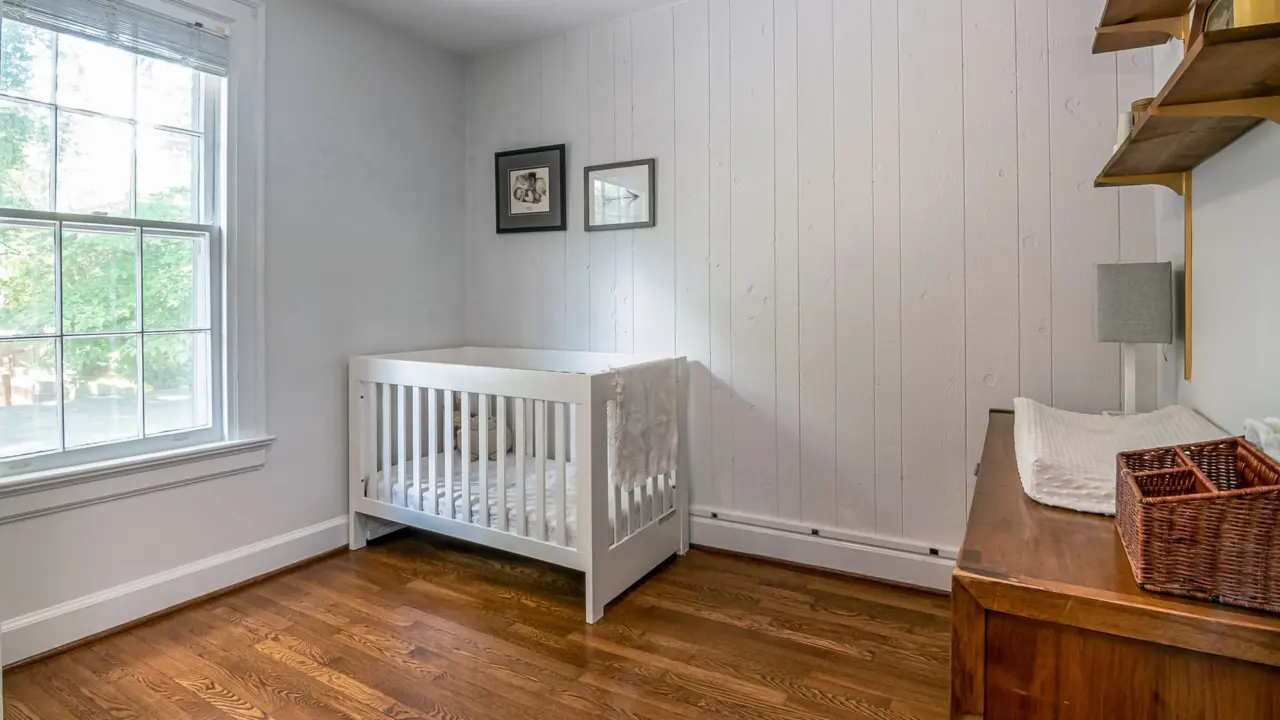
A nursery needs three working zones: safe sleep, changing, and clothing storage. Style comes after those zones function, because a pretty room that makes night-time care awkward will frustrate you every day.
Layout first, decoration second
Decide where the crib, a chair for feeding and the changing surface go before you buy anything. Think about the path you will walk half-asleep and about where light from the window falls. Our guide to nursery layout ideas walks through placement of the crib, glider and changing table in more detail.
Room size changes the plan. If the nursery is a corner of a bedroom or a box room, a compact arrangement with multi-purpose furniture is the better route, and Very Small Nursery Ideas: 12 Clever Ways To Maximize Space And Style In 2026 – Revolucionmama covers it. If two babies share a room, the planning question becomes duplication versus sharing, which Twin Nursery Ideas: Stylish, Functional Designs for Two Babies in 2026 – Revolucionmama addresses.
Storage that keeps essentials within reach
Open crates, baskets and low shelves are a sensible budget route for a nursery because they cost little and can be rearranged as needs change. Keep daily items at hand height and put seasonal or outgrown items higher or in a different room. For the changing area, diaper changing station ideas shows what to stock within arm’s reach. For clothing, baby closet organization explains sorting by size and season so you are not hunting through drawers during a change.
Cleaning the room also belongs in the plan. Lysol, a household cleaning brand, publishes a dedicated guide on how to clean a nursery within its by-room cleaning section. A room with few surfaces and simple containers is quicker to wipe down.
Safety checks before style
Do the safety work before the decoration. A crib safety checklist covers standards, mattress fit and secondhand cribs, and it is the single most important read if you are buying or inheriting a crib. Tall furniture needs securing too, so see how to anchor furniture to wall before a dresser becomes a climbing frame. Windows deserve the same attention, and how to childproof windows covers blind cords and falls.
Choosing a look once the room works
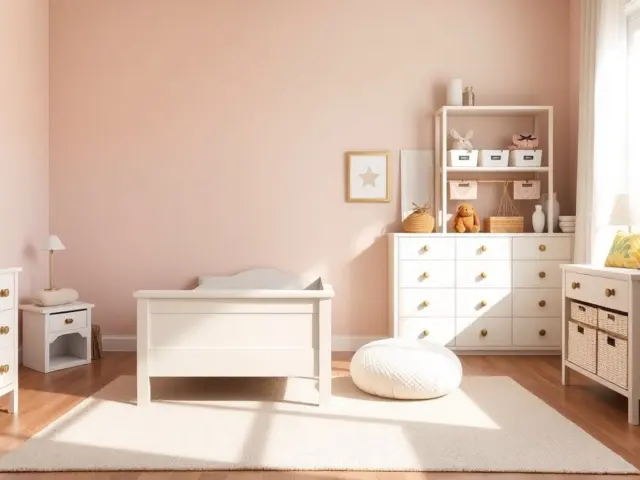
Once the room functions, decorate within your budget. Wallpaper is the highest-impact option for a small wall, and Nursery Wallpaper Ideas: 20 Stylish Looks To Inspire A Calm, Playful Room In 2026 – Revolucionmama collects ideas. If you prefer a restrained palette that will outlast the baby stage, Simple Neutral Nursery Ideas: Calm, Stylish Rooms For Any Baby In 2026 – Revolucionmama is the better route. For a softer, themed room, see Baby Girl Nursery Ideas: Stylish, Practical Designs And Easy DIYs For 2026 – Revolucionmama, which includes easy DIY projects.
Toy storage and play spaces
To organize toys, give every category a visible, easy home and choose containers a young child can use alone. Living Well Mom describes a toy containment method that is simple enough for young children to use, which is the test worth applying to any system: if your child cannot put things away, you will be the one doing it every night.
Start with the space you have
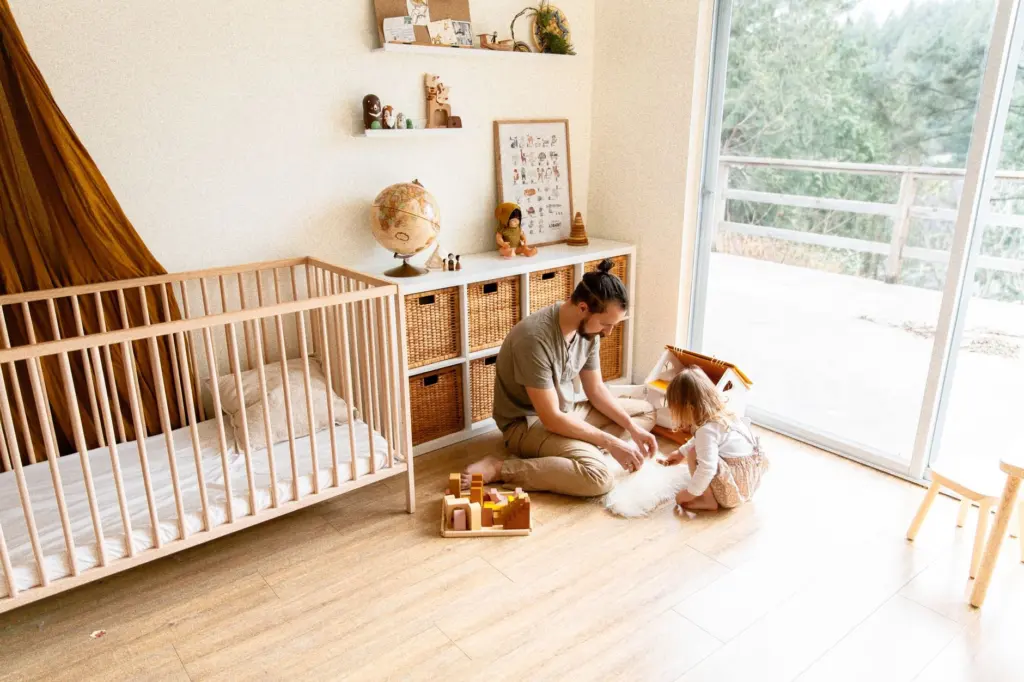
A dedicated playroom is not required. Organized Mom lists 11 toy storage ideas for small spaces among its popular posts and also has a guide to organizing kids’ toys without a playroom. Both point the same way: a shelf, a corner of the living room or a closet can work if each type of toy has a labeled place. The fuller write-up in Toy Storage Ideas: Clever, Kid-Friendly Ways to Declutter Your Home in 2026 – Revolucionmama goes through options room by room.
Match the container to the item
The comparison below sets out low-cost containers for different kinds of kid clutter. Pick based on what you are storing and who will use it, not on what looks best in a photo.
| Container | Suits | Cost angle | Planning use |
|---|---|---|---|
| Homemade fabric or cardboard baskets | Open shelves where you want a coordinated look | Budget-friendly when you make your own | Size them to the shelf you already own before you buy materials |
| Cube organizers, bins and trays | Craft supplies | Budget-friendly options exist | Give each craft type its own tray so a project can be pulled out and put back as a unit |
| Old shoe boxes | Crayons and colored pencils | Reused rather than bought | Make a grab-and-go art box for the table |
| Mesh laundry bag on suction-cup hooks | Bath toys in a tiled bathroom | Uses a bag you may already have | Keeps bath toys in one place; it needs a smooth tiled surface for the hooks |
These options come from Living Well Mom’s organizing ideas and Lysol’s tips for busy parents.
Keep the volume down
Containers only help if the number of toys stays manageable. If bins overflow, storage is not the problem; volume is. A toy rotation system keeps part of the collection out of sight and brings it back later, which cuts clutter and renews interest without buying anything new. Choose rotation when you have plenty of toys and little space; choose a simple one-bin-per-category system when you have few toys and the issue is just putting them away.
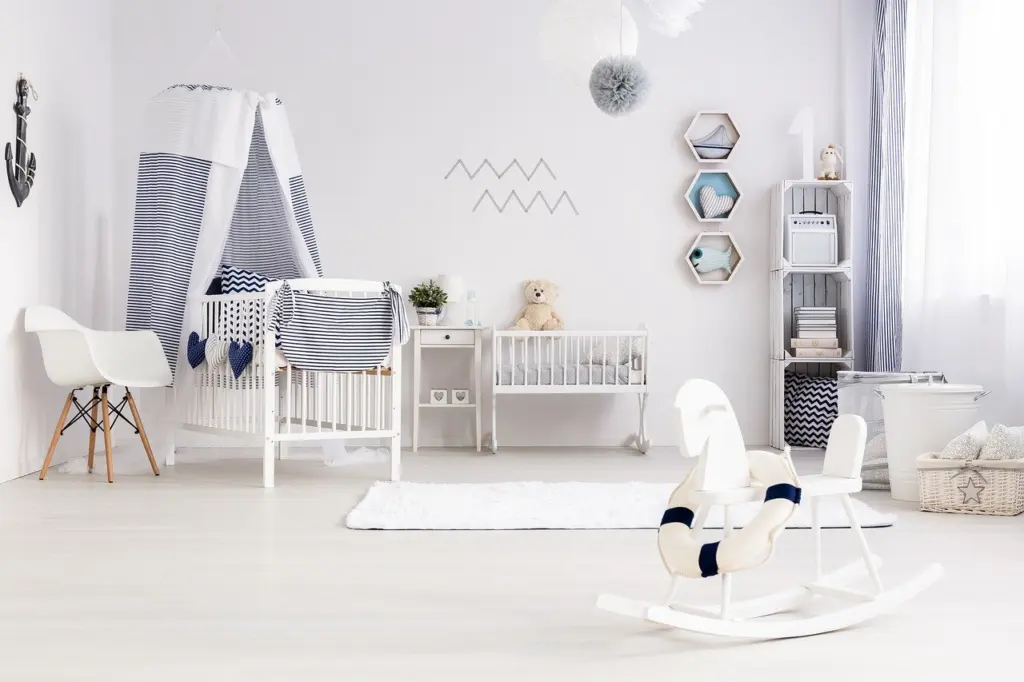
When a dedicated kids’ area is realistic, Playroom Ideas On A Budget: Smart, Stylish Kid Spaces Under $200 – Revolucionmama shows how to set one up cheaply.
Laundry and daily clothing
Laundry becomes manageable when the decisions are made before the busy part of the day. The clearest supported tip comes from Lysol’s list for busy parents: prepare your child’s outfits for the week on Sunday nights. Mornings are when time is shortest, so shifting that choice to a calm evening removes a daily argument.
Make the habit practical rather than perfect. Choose outfits from clothes that are already clean and in the drawer, and leave a gap for a day when plans change. If sorting is the sticking point, group baby and toddler clothes by size and season, as the closet guide above describes, so outgrown items leave the drawers instead of being re-washed and re-folded.
Small laundry-adjacent fixes also help. A mesh laundry bag, mentioned in the container comparison, can double as bath-toy storage. Treat that as a cheap use of something you already own, not a reason to buy new gear.
Meal prep and weeknight dinners
You can prep a week of meals without cooking everything on a Sunday. Start by choosing a short list of family recipes that you actually enjoy and that come together quickly on weeknights, then rotate them. Organized Mom curates quick and easy family recipes for weeknights, which is a good place to browse when your own repertoire has run dry.
What meals to prep for the week
Favor dishes that reheat well, can be portioned for several evenings and use overlapping ingredients. Prepping components such as a cooked grain, chopped vegetables or a protein gives you flexibility if the week does not go to plan, while a fully prepared meal suits the evenings you know will be hectic. Use the weeknight recipes above as the pool, and choose a few that fit your family’s tastes and your kitchen’s storage space.
Systems that remove the daily decision
A rotating plan removes the question of what to cook. Organizing Moms sells a rotating meal plan system built on that idea, though you can build the same thing for free by putting your tested dinners on a repeating schedule. If your recipes are scattered across bookmarks and screenshots, Living Well Mom suggests homemade recipe binders so you can find what you need quickly. Either method works because the planning happens once.
Fit meal planning into the week
Give planning a fixed, short slot. Organizing Moms notes that weekly planning does not have to take hours or feel overwhelming, and describes a simple 30-minute weekly planning system. Use that slot to choose dinners, check what is in the fridge and write the shopping list.
Budget and time
A limited budget and limited time call for the same discipline: do the highest-value task first, reuse what you have, and write things down. Home organization for moms rarely needs a big spend; the supported ideas in this guide lean on reused boxes, homemade baskets and cheap bins.
Build a house list with priorities and costs
A running list of home tasks stops projects from living in your head. One working mom’s system at Central Mass Mom rates each item by priority level, expected cost when it involves a fix or purchase, and owner, with an estimate of time. Borrow that structure: it lets you spot the cheap, fast jobs to do in a spare half hour and the pricey ones to save for.
- Priority: mark the jobs that cause daily friction or safety concerns first.
- Expected cost: write the cost before you shop, so impulse purchases stand out.
- Owner: decide whether the task is yours, your partner’s or a joint effort.
- Time: note how long it should take so it can slot into a gap.
Pick a few priorities each week
The same Central Mass Mom write-up says the most important thing the author does each week is to name a “Top Three” across work, home and passions. For a parent with limited time, that works as a filter: if a task is not among the top three, it waits. It also keeps a big list from feeling like a failing grade.
Track what you spend
Household costs add up quietly, so some tracking helps. The same author uses an expense-tracking app, Rocket Money (formerly True Bill), to monitor spending. If you would rather use a spreadsheet, Organizing Moms sells an Essential Budget Tracker Spreadsheet for keeping family finances in check. Either tool works only if you check it regularly, so choose the one you will actually open.
Spend less on containers
Budget storage is often a matter of reuse. Make your own baskets from fabric or cardboard, put crayons in old shoe boxes and use inexpensive cube organizers, bins and trays for craft supplies, as covered in the toy section. A home office follows the same logic: Organizing Moms states that a home office does not require a dedicated room or a renovation budget, so a corner with a surface and a place for supplies is a fair starting point.
Give yourself permission to pause
Systems should bend. The Central Mass Mom author says that on occasional days or weeks of sickness or burnout, almost none of the usual routine happens. Plan for that: keep a minimal version of the routine, such as meals from the freezer or a simplified house list, and restart when you are able.
Older kids, paperwork and household records
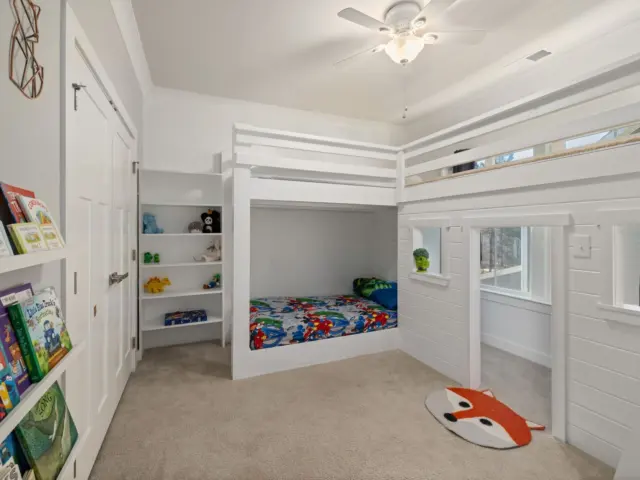
As children grow, the organization challenge shifts from toys to schoolwork, paper and shared spaces. A child’s bedroom can serve as sleep, play and study space at once, so decor and storage should support all three. Kids Room Decor Ideas: 25 Easy, Stylish Ways To Create A Fun Room In 2026 – Revolucionmama offers ideas that keep a room cheerful without adding clutter.
For schoolwork, a set place with supplies prevents the daily scramble. Homework station ideas covers setup, supplies and placement. Paper is the other recurring clutter source: mail, forms and records pile up quickly, and how to organize family paperwork explains a simple process for sorting and keeping what matters.
Safety and medical supplies
Organizing a home for kids includes putting hazards out of reach and keeping medical supplies easy to find. Outlet covers and cabinet latches are the usual starting point for babyproofing, and securing furniture and windows, covered in the nursery section, belongs in the same pass.
Stock a first aid kit and a medicine area before you need them, and keep medicines out of children’s reach. The family first aid kit checklist sets out what to stock for kids. Do this once, label it, and tell other caregivers where it lives.
A simple weekly rhythm
Pulling the routes together, a workable week for a busy mom has a few anchor points rather than a long list of chores.
- Planning slot: a short, fixed time to choose dinners, glance at the house list and name the week’s top priorities.
- Sunday night: lay out the children’s outfits, and check that the school or work bags are ready.
- Daily reset: toys go back into bins that children can manage, and the day’s paper goes into a single tray.
- One small project: a shelf, a drawer or a corner, chosen from the house list.
Adjust the pieces to your household. A parent with a newborn may drop everything except the planning slot and the nursery basics, while a parent of school-age children may lean on the homework station and paperwork routines.
Frequently asked questions
| Question | Answer |
|---|---|
| Where should I start if the whole house feels overwhelming? | Pick the area that causes the most daily friction and declutter it in a section. Decluttering in sections helps avoid burnout, and a small win builds momentum for the next area. |
| Do I need a playroom to keep toys under control? | No. Organized Mom has a guide to organizing kids’ toys without a playroom, and the ideas centre on giving each type of toy a defined place in a shared space. |
| How much time should weekly planning take? | It can be short. Organizing Moms describes a simple 30-minute weekly planning system, and says planning does not have to take hours. |
| Do I need a separate room for a home office? | No. A home office does not require a dedicated room or a renovation budget, so a defined corner with the supplies you need can do the job. |