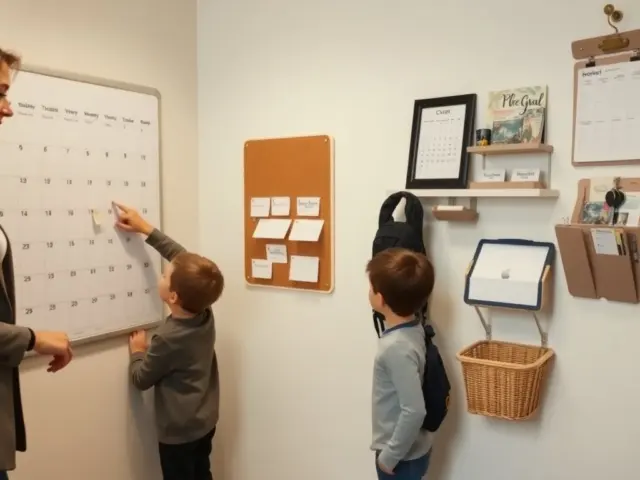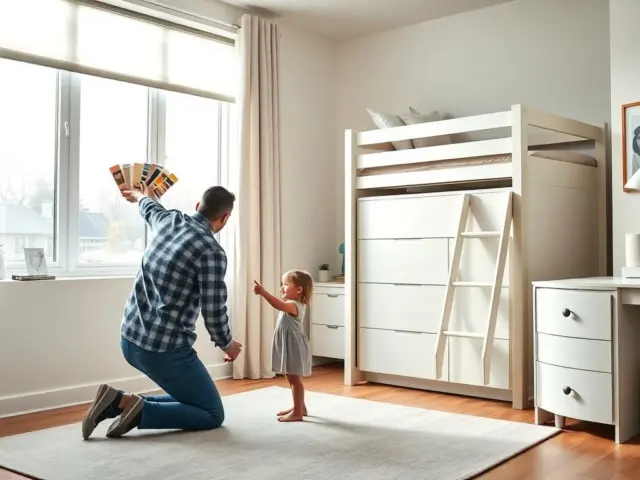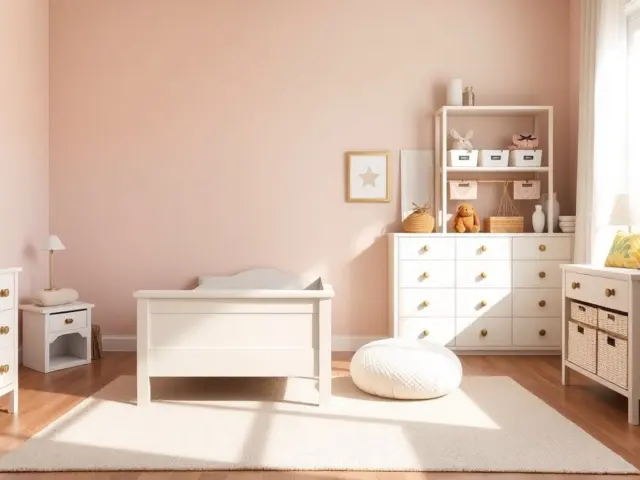
Toy storage ideas appear early in this piece to guide busy families. The article lists simple methods parents can use at home. It shows practical steps for sorting, storing, and keeping toys tidy. The tone stays clear and confident. The reader will find options for small spaces, furniture that hides clutter, and routines that keep rooms calm.
Key Takeaways
- Effective toy storage ideas include sorting toys by type and using child-friendly bins within reach to encourage easy cleanup.
- Small-space solutions like wall pockets, under-bed rolling bins, and corner shelves maximize storage without cluttering living areas.
- Modular bins and clear containers with labels and color coding make toy organization adaptable and help spot missing pieces quickly.
- Choosing stylish furniture that doubles as storage, such as bookcases with baskets or benches with hidden compartments, keeps playrooms tidy and visually calm.
- Multiuse furniture like ottomans and rolling storage cubes simplify cleanup and make toy storage more versatile.
- Regular toy rotation, donation, and monthly maintenance reduce clutter and teach children decision-making skills.
Toy Storage Principles That Make Cleanup Easy
Families need simple rules when they organize toys. He or she should sort toys by type, size, and play value. They should set clear limits on how many items live in each zone. Labels should state where each toy belongs. Low shelves and open bins should sit within child reach so kids can put items away. Parents should pick routines that repeat daily, such as a five-minute tidy before dinner. Visual systems help: clear bins show contents and picture labels guide nonreaders. Consistent placement reduces decision fatigue and makes cleanup faster.
Best Small-Space Solutions (Bins, Wall Storage, And Under-Bed Tricks)
Small homes benefit from compact toy storage ideas that maximize floor space. Wall pockets and pegboards free the floor while keeping toys visible. Slim rolling bins slide under beds to hide seasonal items and puzzles. Stackable clear containers let caregivers see parts quickly and stack vertically in closets. Foldable fabric bins collapse when empty and store in a closet. Corner shelves turn wasted space into display and storage. Magnetic strips secure metal toys on a wall and free up bin space. Every choice should aim to store more without crowding living areas.
Modular Bins, Clear Containers, And Labeling Systems
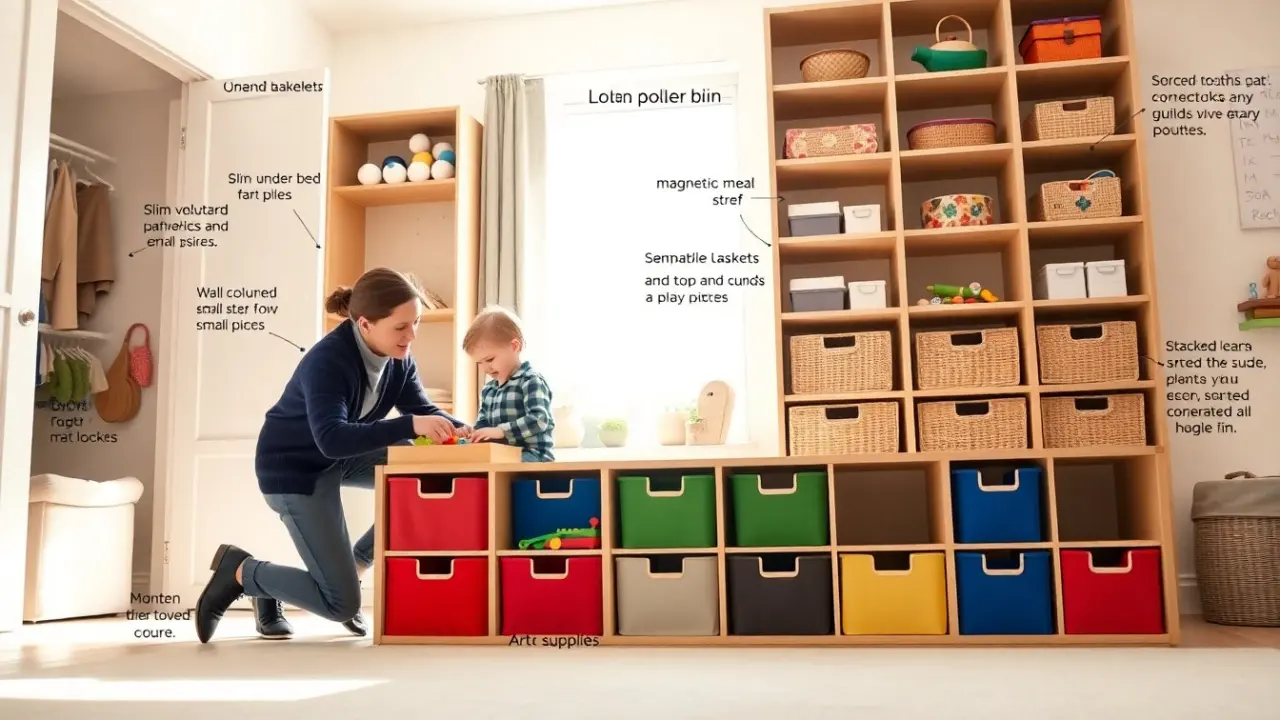
Modular bins adapt to changing toy collections and room layouts. Parents can mix cubes, drawers, and open bins on a single unit. Clear containers make it simple to spot missing pieces and stop duplicate purchases. Labels should use words and photos so children recognize categories quickly. Color coding speeds sorting: red for vehicles, green for blocks, blue for art supplies. Pull-out drawers with handles let children access toys without tipping bins. The system should allow easy swapping so caregivers update categories as kids grow.
Stylish Playroom Furniture That Doubles As Storage
Choosing furniture that stores toys helps rooms look calm. Bookcases with baskets hide small items while keeping favorites on display. Low cabinets with safety stops offer hidden storage for noisy toys. Convertible tables include storage compartments beneath the top to hold craft supplies. Parents can pick matte finishes and neutral tones to match living spaces. He or she should anchor tall units to the wall to prevent tipping. Furniture that looks grown-up reduces visual clutter and lets the family keep a tidy home without sacrificing style.
Multiuse Pieces: Benches, Ottomans, And Bookcase Hacks
Benches with lift tops provide bench seating and large hidden bins for stuffed animals. Ottomans with inner storage hold puzzles and seasonal toys. Bookcase hacks include adding storage cubes and baskets to create a mix of open and closed storage. Cushion tops on low bookcases create reading nooks that also store toys inside. Rolling casters on cubes let children move sets from room to room. These multiuse pieces reduce the number of separate storage items and make everyday cleanup simpler.
Rotation, Donation, And Maintenance Strategies To Keep Toys Under Control
Rotation reduces clutter and renews interest in toys. Parents can keep half the toys in storage and swap items weekly or monthly. He or she should check toys for damage and remove broken pieces promptly. Donation boxes should sit near the door so families can add items easily. A simple maintenance plan sets a single day each month to sort and cull toys. Clear rules help: if a toy sits unused for three months it moves to storage or donation. These steps keep collections manageable and teach children decision skills.