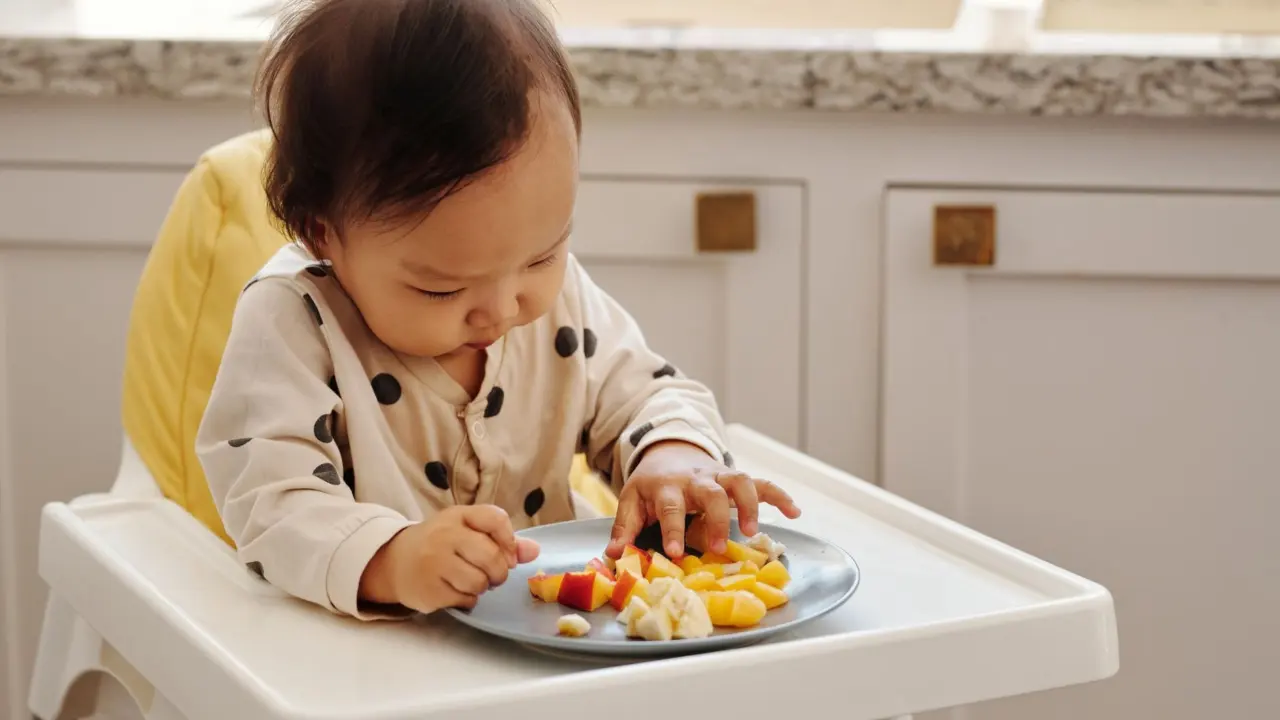
A toddler who accepts only crackers can still snack well. Healthy snacks for picky toddlers combine a protein food, a fruit or vegetable and a grain or starchy vegetable, cut small and served in familiar form.
The main condition is safety. Shape and size matter as much as nutrition, and the sections below cover both. For how snacks fit into the rest of the day, see our guide to family routines for busy moms.
Building a snack a picky toddler will accept
The American Academy of Pediatrics describes a balanced toddler snack as a protein food (dairy counts), a fruit and/or vegetable, and a grain or starchy vegetable. A pediatric dietitian’s version at Kids Eat in Color is a fat source, a protein source, a fruit and a vegetable. The two formulas agree on the idea: pair foods instead of serving a single item. Fruit and vegetables bring fiber, which helps keep a child full, and protein helps toddlers stay full for 2-3 hours.
For a picky eater, this pairing works in your favor. A snack built around a food the child already eats can carry a small amount of something less familiar. Many snack worries come from beliefs that do not match the guidance:
| Common belief | What the guidance supports | Planning use |
|---|---|---|
| Every snack must be a mini-meal | Not every snack needs to be a mini-meal; a balanced diet can be achieved over the course of the entire day | Serve a simple pairing at snack time and judge the day’s variety as a whole |
| Every toddler needs snacks all day | Many toddlers need an afternoon snack and some also need a morning snack; snacks are not necessary for every child | Add a snack where your child’s hunger and family schedule call for it |
| A refused snack means the snack failed | If a child chooses not to eat at a meal or snack, that is OK | Let the child wait for the next meal or snack instead of offering substitutes |
| Toddlers should finish the plate | If they do not finish a small starting portion, they are full | Let the child stop, and offer more only if the child asks |
The table draws on the American Academy of Pediatrics snack guidance and Kids Eat in Color.
How often toddlers should snack
Snack frequency follows hunger and the family’s day, not a fixed count. Most kids are hungry every 2.5 to 4 hours or so, according to Kids Eat in Color. That interval is a reason to place snacks between meals rather than let them drift into grazing.
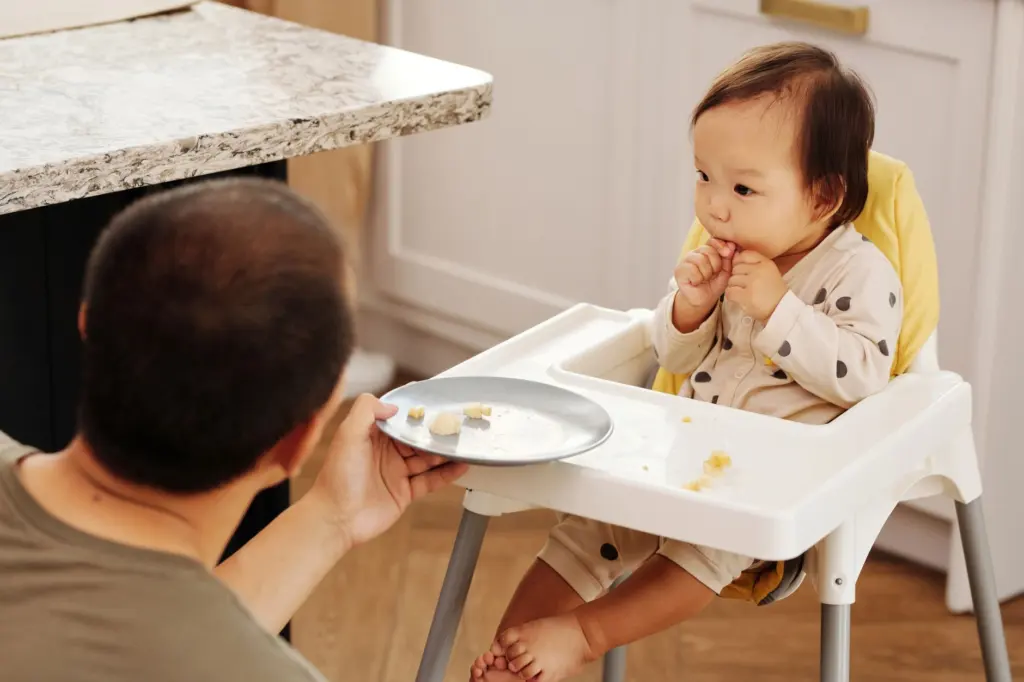
The same dietitian source uses a division of responsibility: the adult chooses what is served, and the child chooses how much to eat. This takes pressure off a picky eater’s snack time. You decide the food and the timing, and the toddler decides whether to eat it. Consistent, balanced snacks also give a toddler a chance to branch out to other foods on the plate over time.
Snack ideas picky toddlers tend to accept
Protein and dairy
Protein is often the easiest component to make familiar. The AAP lists nut and seed butters spread thinly, edamame, chickpeas and beans (cooked and mashed), lentils, hummus, tofu and eggs. Dairy such as cheese and yogurt also counts as a protein food. Pediatric feeding specialists at the Napa Center suggest a nut butter or cream cheese sandwich between two crackers, and small drops of yogurt frozen on a flat surface for a cold, finger-friendly bite.
- Cracker sandwiches: suit toddlers who like crunch and want a hand-held snack.
- Frozen yogurt drops: suit toddlers who refuse spoons but will pick up small pieces.
- Mashed beans or hummus: suit toddlers who accept soft, smooth textures, and they add fiber.
Fruit, vegetables and fiber
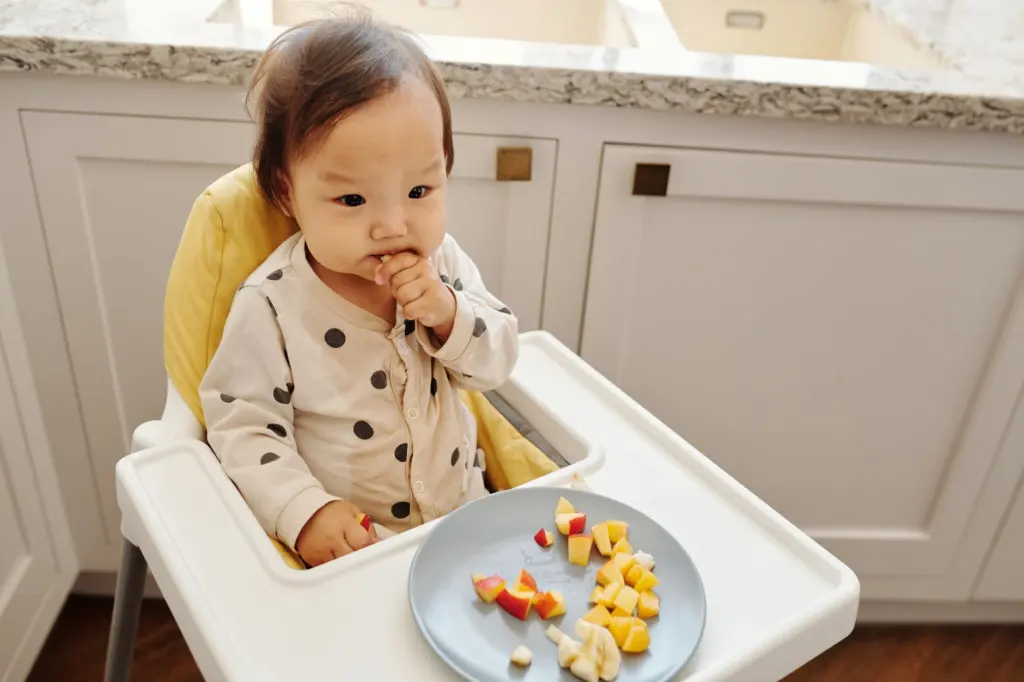
Many picky eaters reject raw produce but accept it in another form. The Napa Center notes that picky eaters often find comfort in foods that are crunchy or very chewy, and it suggests dried or freeze-dried fruits and vegetables as alternatives to raw ones. Cutting fruit and cheese into shapes with cookie cutters can make the plate more appealing, and Napa suggests kebab sticks for fun presentation. For a toddler, the cut shapes work just as well laid flat on the plate.
Introducing new foods without pressure
New foods go down more easily when they arrive next to something safe. Napa’s advice is to pair favorite foods or dips with new ones, and to pair a new food with a familiar vehicle. Repeated, low-key exposure matters more than any single snack.
- Use a familiar dip: ranch, hummus, yogurt or peanut butter can accompany a new vegetable or fruit, according to the Napa Center. For toddlers, serve peanut butter thinly spread, not by the spoonful (see the safety section below).
- Put a new food beside a favorite: a single new piece next to a food the child already eats keeps the plate predictable.
- Let the child help: Napa suggests having the child make smoothies or other snacks alongside you, which gives a picky eater contact with the food before it reaches the plate.
- Keep serving balanced snacks: Kids Eat in Color reports that consistent balanced snacks let toddlers learn to branch out to other foods.
Portions, choking hazards and what to skip
Portion size
Start small. The AAP suggests small starting portions, such as three quartered strawberries or one-eighth of a quesadilla, and letting the toddler ask for more. Small portions suit picky eaters because an empty plate feels like success and a half-finished one does not become a standoff.
Choking hazards
The AAP warns that big chunks and hard, round, slippery foods are choking hazards for young children. The practical rule is to cook or cut these foods to reduce the risk. Whole nuts, spoonfuls of peanut butter, and popcorn should be avoided until age 4.
- Whole nuts: avoid until age 4.
- Spoonfuls of peanut butter: avoid until age 4; thin spreading is the safer way to use nut butters.
- Popcorn: avoid until age 4.
A week of picky-eater snacks, and prep
This plan rotates familiar anchors with small variations, using the pairing idea above. Swap in whatever your child already accepts, and keep every piece cut small and soft or cooked.
- Monday: a cracker sandwich with thinly spread nut butter and quartered strawberries.
- Tuesday: cheese and soft fruit cut into shapes with a cookie cutter.
- Wednesday: hummus with soft cooked vegetable pieces, a familiar dip that carries the vegetable.
- Thursday: cooked, mashed beans or edamame beside a favorite fruit.
- Friday: frozen yogurt drops with small fruit pieces.
- Saturday: egg pieces with a soft starchy vegetable and a fruit.
- Sunday: cheese with freeze-dried fruit for a crunchy option, or whichever favorite worked best this week.
Prep is mostly cutting and portioning. Cut fruit, cheese and cooked vegetables into toddler-safe sizes ahead of time, and keep a few protein items ready so assembling a snack takes a minute. Plating a small amount and offering more on request follows the AAP portion guidance.
If you handle most daytime feeding yourself, Being A Stay-At-Home Mom: Practical Strategies, Self-Care, And Finding Purpose In 2026 – Revolucionmama offers wider routines to lean on. On travel days, when snacks double as entertainment, see Toddler Plane Activities: 30 Quiet, Engaging Ideas For Calm Flights In 2026 – Revolucionmama.
Frequently asked questions
| Question | Answer |
|---|---|
| Should I add sugar, salt or juice to make snacks more appealing? | No. The AAP advises avoiding added sodium and sugar until age 2, and delaying juice until age 2 to help protect teeth. Use familiar dips and shapes instead. |
| How often can my toddler have tuna? | The AAP says chunk light (skipjack) tuna can be served once per month, so it works as an occasional protein option, not a staple. |
| What if my toddler wants the same snack every day? | The Napa Center recommends making slight changes to preferred foods, such as a different shape or dip, so one food does not take over. |