Parents pack toddler plane activities into carry-ons to ease flights. This list helps caregivers pick quiet, safe, and simple options. It focuses on low-prep toys, verbal games, and routines that calm children. The guide keeps advice direct so caregivers can act quickly at the gate or on the plane. Below are practical, concrete tips for preparing, independent seat activities, short interactive games, thoughtful screen use, and comfort strategies that reduce stress and prevent meltdowns.
Key Takeaways
- Packing quiet, safe, and simple toddler plane activities helps ease flights and keep children calm.
- Parents should choose flight times aligning with toddlers’ sleep schedules and select seats with extra legroom or by the window for comfort.
- Rotating small, independent activities like cloth books, finger puppets, and reusable sticker pads every 10–15 minutes maintains toddlers’ interest without screens.
- Engaging toddlers with short verbal games such as “I Spy” or simple songs can reset attention and promote calm without needing materials.
- Screen time on planes should be limited, planned, and used as a predictable reward alongside downloaded slow-paced shows and familiar songs.
- Maintaining familiar routines, bringing comfort items, and packing safe snacks reduce toddler meltdowns and help manage ear pressure during takeoff and landing.
Preparing For The Flight: Packing, Timing, And Seat-Selection Tips
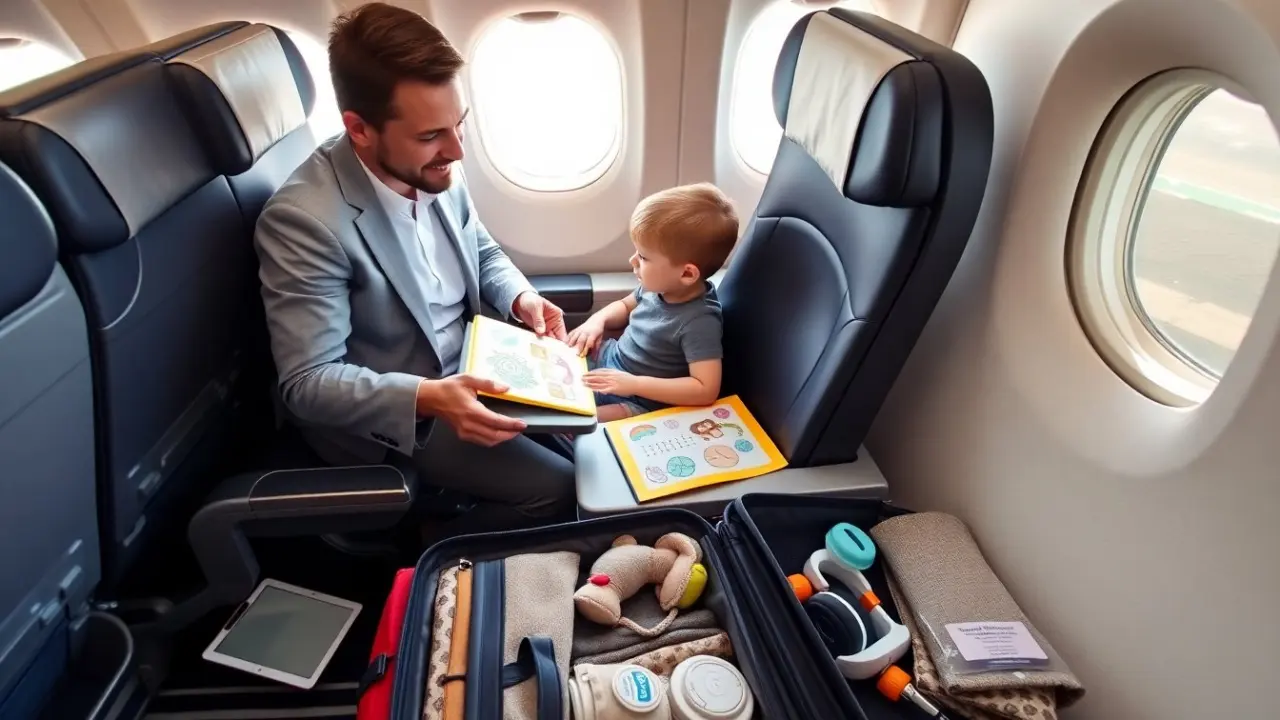
Choose a flight time that matches the toddler’s sleep window whenever possible — a nap or overnight flight can turn otherwise stressful minutes into quiet sleep. Create a compact “flight kit” in a soft crossbody or backpack so essentials are quick to access: one change of clothes, several small toys rotated during the flight, a small blanket, a familiar stuffed toy or lovey, extra diapers or training pants, wipes, travel-sized hand sanitizer, disposable placemats or bibs, and a resealable bag for dirty items. Pack snacks and a sippy cup where security staff can see them without unpacking the whole bag.
For seat selection, bulkhead seats and window seats both have advantages: bulkheads often provide a little extra legroom and a surface for sleepy toddlers to lean against; windows give a visual distraction and a place to rest the head. If you need aisle access for quick bathroom trips or standing up to soothe a child, book an aisle seat for the caregiver. Consider seats near the wings for a slightly smoother ride if motion sensitivity is a concern. If a lap seat is used, bring a thin foam seat wedge or a nursing pillow that can double as a support for the child to sleep safely on the caregiver’s lap. Reserve time at the airport before boarding for a brief runaround to burn off energy — 15–20 minutes of movement can make the first hour on board much calmer.
Quiet Independent Activities For The Seat (No Screens)
Offer a selection of small, quiet items the child can use alone, organized in a zipper pouch or soft activity folder for easy rotation. Good options: cloth books and board books with textures or flaps; reusable sticker pads or sticker books (no loose stickers); soft finger puppets and mitten-style puppets; fabric busy boards or quiet fidget boards with Velcro, zippers, and large buttons; magnetic drawing boards or small travel etch-a-sketch style toys; stacking cups or nesting toys that pack flat; and a small set of chunky, quiet puzzle pieces that snap into a felt board.
Packaging and rotation matters: wrap each toy in tissue or tuck it into a numbered pocket so you can present “new” toys one at a time every 10–15 minutes. Use items that are easy to clean and have no small parts. If you include art, choose a single washable crayon or a short water-reveal coloring book rather than loose markers. Keep a small resealable bag for crumbs and used wipes to prevent mess. The goal is independence: pick toys that invite exploration but don’t require constant hands-on help from the adult.
Interactive Games To Play With Your Toddler
Short, focused interaction can reset attention and soothe a toddler when quiet independent play loses traction. Plan for 2–5 minute bursts that use movement, touch, or verbal cues. Use your voice, facial expressions, or a single prop — too many rules or materials will frustrate a short-attention child. Below are examples organized by type so caregivers can pick what fits the moment.
Low-Prep Verbal Games For Short Attention Spans
Verbal games require no materials and are excellent for takeoff, landing, or when space is tight. Try “I Spy” using colors or large cabin items, or a simplified “What’s Missing?” where you show three small toys and hide one briefly. Sing a call-and-response song and pause to let the child fill in a word, or do a short echo game where the toddler repeats a silly sound or simple word. Use count-and-point: ask the child to find two windows, three passengers wearing blue, or the seatbelt light. Keep the language simple, praise answers, and stop while the child is still engaged to keep the next round fresh.
Other quick activities: play a “Feel and Guess” game with a small plush hidden in a blanket, ask the child to chant animal sounds and then quiet down to listen, or narrate a one-line story and invite a single-sentence addition from the toddler. These approaches encourage turn-taking, attention, and calm without props or prep.
Screen Time Strategies And Kid-Friendly Media Choices
Screens can be useful in a flight kit but work best when integrated into a predictable plan. Set limits ahead of time: decide on the number and length of “screen windows” and explain the plan to your toddler in simple terms (for example, “Screen time after snack, two songs long”). Choose slow-paced, familiar shows or short episodes that are calming rather than hyper-stimulating. Pre-download content and test playback and headphones at home to avoid surprises.
Headphone selection matters: padded, toddler-sized headphones that limit volume help protect hearing and keep the child comfortable. If your toddler resists headphones, try a short familiar song through your phone for a minute to help them acclimate. Use screen time as a clear contingency — for instance, a 10–15 minute show after 20 minutes of quiet play — and offer an alternate calming activity when the battery is low. Bring an external battery pack if you plan to use tablets for extended periods, and turn on airplane mode before boarding to preserve battery and avoid interruptions.
Snacks, Comfort Items, And Familiar Routines To Prevent Meltdowns
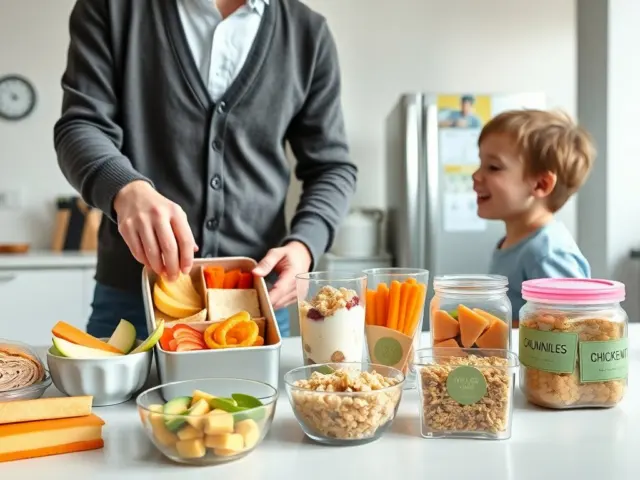
Pack a mix of familiar, non-messy snacks and one special treat to keep the toddler interested. Good snack choices include soft, tearable fruit pouches, small cheese cubes (if age-appropriate), dry cereal designed for toddlers, and soft teething crackers. Avoid hard candies and nuts for choking risk. Include a few resealable snack bags so you can portion items and minimize spills. Hydration matters: bring a filled sippy cup or bottle for takeoff and landing to help equalize ear pressure.
Comfort items and routines are powerful cues for sleep and calm. Bring the toddler’s favorite blanket or stuffed toy, a small pillow, and, if your child uses one, a pacifier. Recreate key parts of home routines in simplified form: read a familiar two- or three-page book at nap time, sing the same lullaby before settling, or follow the same sequence of snack–tooth wipe–story that signals rest. During takeoff and landing, offer breastfeeding, bottle, or a pacifier and encourage swallowing — this helps with ear pressure and can prevent fussing.
Finally, use calming caregiver behaviors: maintain steady, low-volume speech, rock subtly within safety constraints, and be ready to stand in the galley or walk the aisle when it’s allowed and the toddler needs movement. If an upset does occur, validate the child’s feelings (“I know flying is loud, it’s okay”) and redirect to a familiar comfort or a short interactive game. With a compact kit, predictable plan, and a few practiced routines, most parents can prevent or shorten meltdowns and make the trip more manageable for everyone.