Quick lunch ideas for kids appear below to help busy parents save time and feed children well. The list favors simple steps and familiar flavors. Each idea uses common ingredients and reaches the table in 15 minutes or less. The guide aims to reduce meal stress and keep lunches healthy, varied, and kid-approved. It focuses on realistic habits—batch prep, smart swaps for allergies, and simple assembly techniques—that make quick lunch ideas for kids repeatable over weeks without boredom.
Key Takeaways
- Quick lunch ideas for kids should include a balanced mix of protein, grains, fruits or vegetables, and healthy fats to ensure nutritious meals.
- Many kid-friendly lunches require no cooking or minimal prep, such as turkey roll-ups or yogurt parfaits, all ready within 15 minutes.
- Utilize leftovers, batch cooking, and pre-cut produce to streamline lunch preparation and save time on busy days.
- Adapt quick lunch ideas for kids for picky eaters and allergies by swapping ingredients safely and introducing new foods alongside favorites.
- Keep easy-to-assemble, shelf-stable snacks on hand for emergencies and encourage kids to help make their own lunches to reduce stress and build independence.
Healthy, Balanced Lunch Essentials — What To Include Every Day
Parents should aim for a balanced lunch. They should include a protein, a grain or starchy vegetable, a fruit or vegetable, and a small fat. Proteins can be eggs, beans, yogurt, deli turkey, or tuna. Grains can be whole-grain bread, pita, rice, or crackers. Fruits or vegetables can be carrot sticks, apple slices, grapes, or cherry tomatoes. Fats can be cheese, avocado, hummus, or nut butter. Parents should also add a drink such as water or milk. When parents assemble quick lunch ideas for kids, they should mix at least three of these parts to make a filling meal. Parents should rotate proteins and produce across the week to keep children interested.
Beyond the basic components, think about texture and color: a crunchy element (celery, snap peas, pita chips) often increases appeal, and a colorful fruit or veggie boosts both nutrition and interest. Portion sizes should be age-appropriate—smaller plates and bento-style compartments help with variety without overwhelming a child. Include one small treat occasionally, like a fruit leather or a few dark chocolate chips, to make lunches feel fun without turning them into sugary meals. Packing utensils, napkins, and an easy-to-open container also reduces lunchtime frustration and increases the chance kids will eat what you prepared.
10 No‑Cook & Minimal‑Prep Lunches Kids Actually Eat
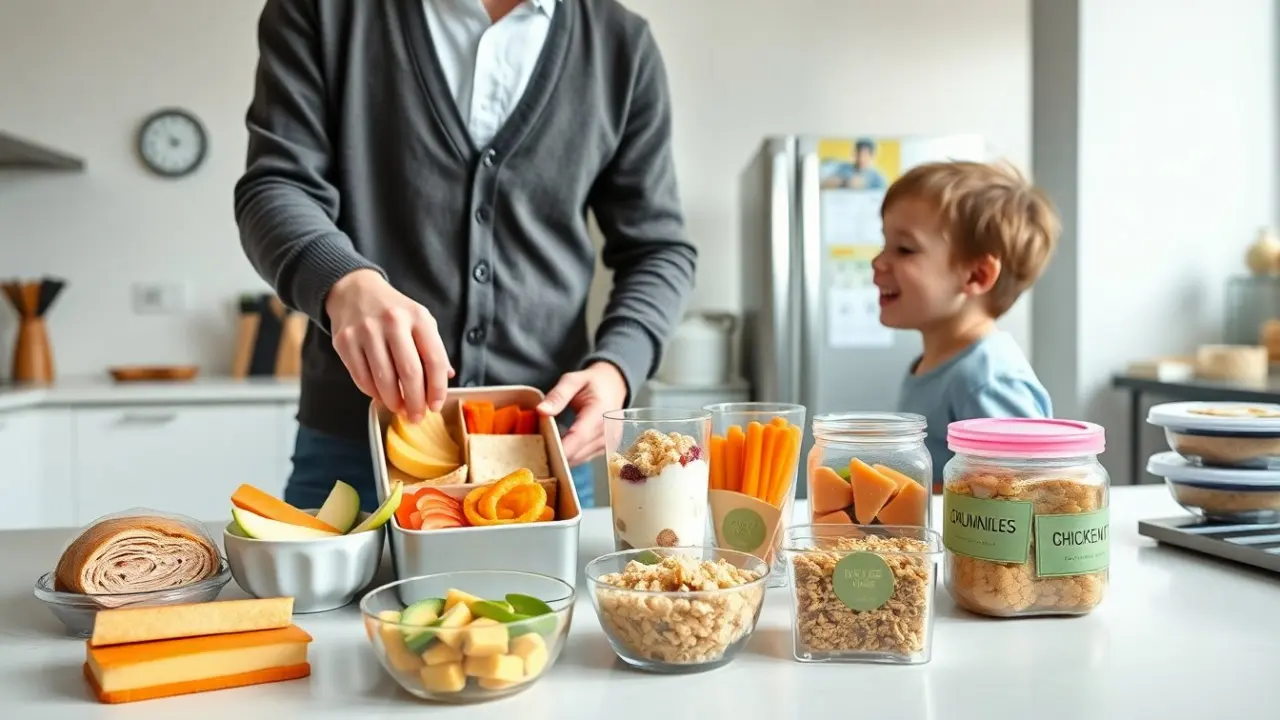
They can make many lunches without heat. Here are ten quick lunch ideas for kids that need no cooking or very little prep:
- Turkey and cheese roll-ups with cucumber slices. Add a smear of hummus or cream cheese inside for extra flavor and moisture.
- Peanut butter and banana sandwich with carrot sticks. Swap sunflower seed butter for nut-free settings and sprinkle a few chia seeds for texture.
- Greek yogurt parfait with granola and berries. Pack granola separately to keep it crunchy until lunchtime.
- Hummus, pita wedges, and cherry tomatoes. Include a few olives or roasted red pepper strips for variety if your child likes them.
- Cold pasta salad with ham and peas. Toss in a little vinaigrette or plain yogurt dressing and add diced veggies for color.
- Tuna salad on whole-grain crackers with apple slices. Make the tuna milder with a squeeze of lemon or a light mayo alternative for picky palates.
- Cottage cheese with pineapple and whole-wheat crackers. Offer cucumber coins or snap peas as a savory pairing.
- Sliced chicken, avocado, and corn in a small bowl. Use pre-cooked rotisserie chicken or sliced deli chicken to save time.
- Cream cheese and cucumber bagel with grapes. Try a mini-bagel or open-faced option for younger children.
- Bean salad with corn, bell pepper, and tortilla chips. Rinse canned beans to reduce sodium; add a lime wedge or mild salsa on the side.
Each item above fits the 15-minute target for parents who use prepped ingredients. These quick lunch ideas for kids work well for school boxes or home lunches. Parents can swap ingredients to match allergies or preferences. To keep variety, rotate these options through the month, and change the fruit, grain, or dipping sauce to create dozens of distinct lunches from the same core components.
Smart Leftover, Make‑Ahead, And Assembly Shortcuts
Parents should use leftovers to make fast lunches. They should chop cooked chicken or roast and add it to a salad or wrap. They should portion rice and quinoa in containers for quick bowls. Parents can batch-make meatballs or mini-frittatas on the weekend. They should freeze single portions for fast thaw-and-eat meals. Pre-washed greens and pre-cut vegetables save several minutes. Parents can keep small containers of hummus, dressing, and nut butter ready. A leftover grain plus a protein and a veg becomes one of many quick lunch ideas for kids. Parents who label portions save decision time in the morning. They should also keep a short list of go-to combos on the fridge.
Other useful shortcuts include mason-jar salads layered the night before, mason-jar parfaits with the wet ingredients at the bottom, and using silicone muffin tins for portioning snacks and sides. Invest a small set of stackable containers so parts don’t get soggy in transit. For refrigeration and reheating at home, marked meal-prep boxes make it easy to rotate lunches and prevent repetition. Keep a small notebook or digital note with favorite swaps — for example, turkey instead of ham, or yogurt instead of mayo — so you can adapt quickly while maintaining balanced meals.
Quick Strategies For Picky Eaters, Allergies, And Time Crunches
Parents should observe which textures and flavors each child prefers. They should offer one new item alongside two known favorites to increase acceptance. When allergies exist, parents should swap safe proteins like turkey or sunflower seed butter. They should also pack separate containers to avoid cross-contact. For time crunches, parents should use pre-cut fruit, single-serve yogurts, or cheese sticks. They should remove skins or seeds when needed to speed eating. Parents should keep a small bin of shelf-stable items such as crackers and dried fruit for emergency lunches. They should also teach older children to assemble one of the quick lunch ideas for kids independently. Small wins build trust and reduce morning stress.
Practical tactics that help: create a visual checklist taped to the fridge so kids can choose and assemble components, choose safe swaps and rehearse them before school starts, and practice “one-bite” rules to encourage trying new foods without pressure. For extreme time crunches, keep a grab-and-go kit with pre-assembled wraps, fruit cups, and utensils in a dedicated shelf of the fridge so a parent or child can grab a complete, balanced meal in seconds. Over time, these strategies make quick lunch ideas for kids more reliable, less stressful, and more likely to be eaten.