They search for fun family activities at home to fill evenings and weekends. This list gives clear, simple ideas that fit short routines and longer projects. Each idea aims to help family members play together, learn together, and build habits that last. The suggestions suit varied ages and budgets. They can pick items for a week, a month, or a rainy day. Below are practical options, variations to match ages and time, and quick tips for getting started with minimal fuss.
Key Takeaways
- Fun family activities at home create opportunities for connection through quick daily routines like reading aloud or dance-offs, and by building predictable rituals that everyone can join.
- Creative projects with simple supplies teach planning and patience while producing memorable family keepsakes; rotating leads and timelines keeps momentum.
- Indoor games and challenges foster teamwork, rule-following, and fun competition to energize family evenings while teaching good sportsmanship.
- Cooking and baking activities assign age-appropriate kitchen tasks that build life skills and reward effort with tasty results; they also offer teachable moments about measurements and food safety.
- Keep a small set of flexible supplies, set clear time limits, and adapt each idea by age and energy level to ensure consistent participation and enjoyment.
Quick Daily Activities (Under 30 Minutes) To Boost Connection
Keep time short and focus sharp. They can read a page aloud, swap a joke, or share one win from the day. Try a five-minute stretch circle where each person leads one pose. Play a one-song dance-off and let each person pick a tune. Do a two-question interview: one factual and one silly. Use a jar of conversation prompts for nights when words stall. Other fast ideas: a 10-minute family walk around the block, a quick drawing challenge (draw the pet in 3 minutes), or a rapid-fire “high/low” where each person names a high and a low from their day. These quick routines build habit and signal presence without heavy planning. They work before assignments, after dinner, or during a TV commercial break. Tips: set a visible timer to keep things brisk, adapt prompts for younger children (use pictures), and swap activities weekly so novelty stays high.
Creative Projects And Crafts For All Ages
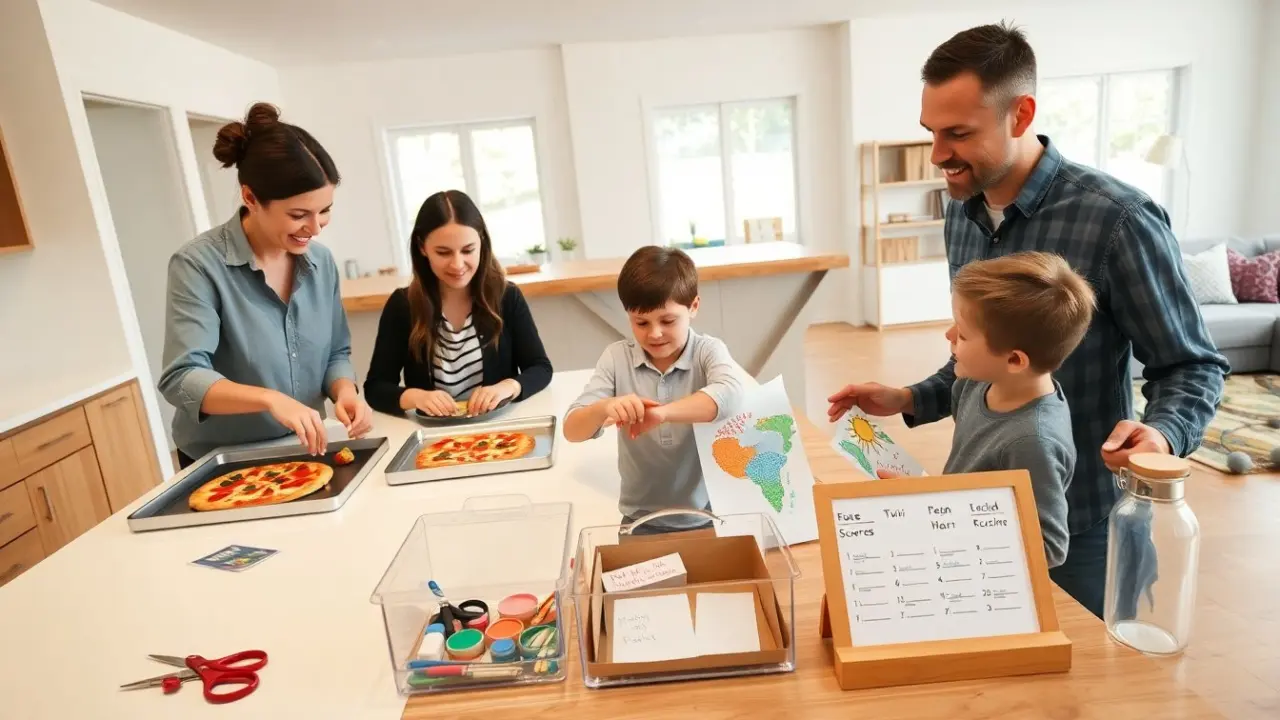
Choose a clear project and gather simple supplies. They can make a family mural on butcher paper, paint rocks for the garden, or build cardboard forts with tape and markers. Rotate project leads so each child shows one idea. Set a clear time limit and display the result for a week. Keep a craft bin stocked with scissors, glue, washable paint, yarn, and scrap fabric. Use recycled boxes and newspapers to cut costs. Project ideas by age: preschoolers can collage with torn paper and stickers; elementary kids can try simple sewing or papier-mâché; tweens and teens can design seasonal décor or upcycle clothing. Break larger projects into stages (plan, create, display) so small attention spans can still contribute. Safety and cleanup: use non-toxic materials, supervise hot-glue or sharp tools, and have an easy cleanup basket (wet wipes, trash bag, apron). Creative projects teach planning and patience while producing a tangible memory and a rotating gallery of family work.
Indoor Games, Challenges, And Family Competitions
Pick games that match energy and space. They can play charades, scavenger hunts, or timed puzzle races. Use a small whiteboard to keep score for league-style competitions across weeks. Try a simple obstacle course with cushions and chairs for active evenings. Rotate game masters to keep rules fresh and fair. Add low-stakes prizes like choosing dinner or movie pick. Include cooperative options too — build a story together by passing a sentence, or complete a giant puzzle as a team. Variations by space: in a small living room favor card and board games, storytelling rounds, or tabletop relay challenges; in a larger area add movement games like “freeze dance” or balloon volleyball. For mixed-age groups, use handicaps or helpers (younger kids get hints, older kids carry extra tasks) so everyone feels successful. Indoor games create laugh-out-loud moments and teach rule-following, teamwork, and graceful winning and losing.
Cooking, Baking, And Food-Based Activities Everyone Will Love
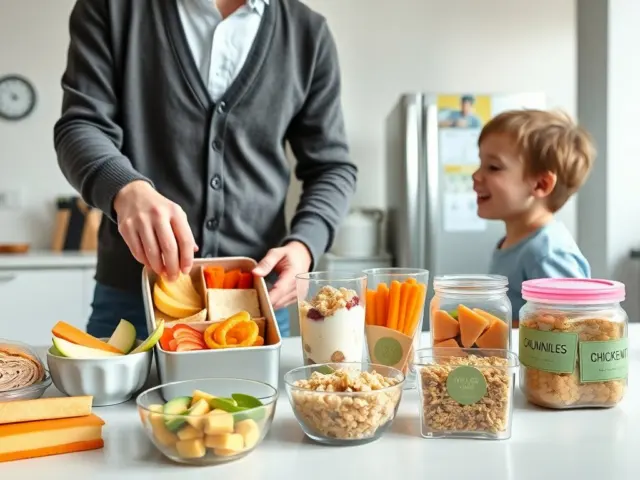
Assign simple kitchen tasks by age. They can wash produce, measure ingredients, or stir batter. Try a weekly family pizza night where each person builds a section with chosen toppings. Bake cookies and test different mix-ins in small batches. Teach a basic knife skill and let teens handle safe slicing under supervision. Turn a recipe into a mini-science lesson about yeast or sugar melting. Pack leftovers into labeled containers and let kids design the labels. Other ideas: create a “build-your-own” taco or salad bar, host a smoothie competition with secret ingredients, or do a no-bake dessert night for minimal cleanup. Safety notes: always supervise heat and sharp tools, discuss handwashing and cross-contamination, and match tasks to ability. To extend learning, have kids write down the recipe or photograph steps for a family cookbook. Food activities reward effort with edible results and teach life skills while allowing creativity and teamwork.