Parents need healthy breakfast ideas for kids that save time and give strong nutrition. This guide shows quick recipes, easy prep steps, and simple tips parents can use. It focuses on fiber, protein, healthy fat, and fruit. It keeps choices practical for school days and busy mornings, and offers age-appropriate portions, allergy-friendly swaps, and strategies to make mornings smoother. Use this as a toolbox to rotate options so breakfast stays appealing without adding morning stress.
Key Takeaways
- Healthy breakfast ideas for kids should include protein, fiber, healthy fat, and fruit to support energy, digestion, and brain development.
- Preparing breakfasts like overnight oats, egg muffins, and smoothie packs the night before saves time on busy mornings.
- Quick recipes such as scrambled egg toast and banana oat pancakes provide nutritious options ready in 10 minutes.
- Including at least two food groups per meal and focusing on whole foods help maintain balanced nutrition for children.
- Using strategies like offering choices and involving kids in preparation encourages picky eaters to try new healthy breakfast ideas for kids.
- Limiting added sugars and processed foods improves breakfast quality and supports lasting healthy habits.
Balanced Breakfast Basics: What Kids Need Each Morning
Children need calories, protein, fiber, fat, vitamins, and fluids every morning. Protein builds and repairs tissue and steadies energy between meals. Fiber aids digestion and supports fullness, which helps reduce mid-morning snacking. Healthy fats support brain development and mood regulation. Fruit or vegetables provide vitamins, minerals, and natural sweetness that make breakfasts more appealing. Whole grains give steady energy and support attention in class. Parents should aim to include at least two food groups per meal—for example, protein + fruit, or grain + dairy + fruit.
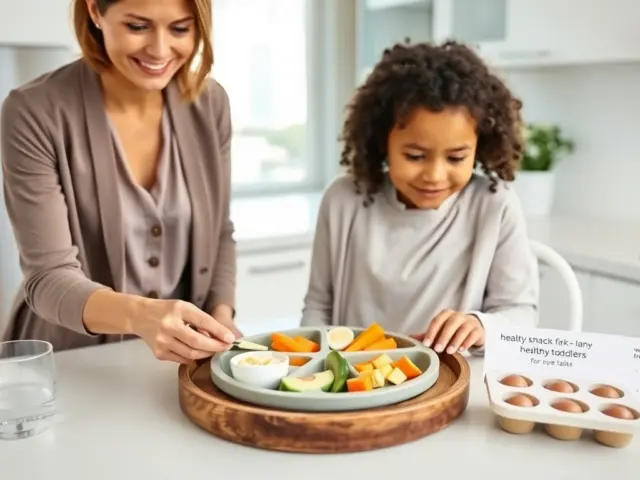
Practical portion guidance helps tailor meals by age: toddlers (1–3 years) often need small portions such as one scrambled egg bite-sized, a thin slice of toast, and a few berries; preschool and early school-age children (4–8 years) typically do well with a half cup to one cup servings depending on activity level; older children and teens may need adult-sized portions or an extra snack before recess. Watch portion sizes and age-appropriate servings, and adjust for growth spurts and activity.
Sample combos that meet these basics and offer variety:
- Greek yogurt + fruit + a sprinkle of granola (protein + fruit + grain)
- Egg and veggie scramble + whole-grain toast (protein + vegetable + grain)
- Overnight oats made with milk + mashed banana + nut butter (grain + fruit + healthy fat)
- Peanut butter banana roll-up on a whole-grain tortilla + a side of cottage cheese (protein + fruit + grain)
To keep breakfasts balanced and lower in sugar, choose plain dairy or unsweetened plant milks, limit added syrups and sugary cereals, and use whole fruits or unsweetened applesauce for sweetness. These healthy breakfast ideas for kids favor whole foods and simple prep that are easier to repeat during busy weeks.
10 Quick Make-Ahead And On-the-Go Breakfasts Parents Can Prep
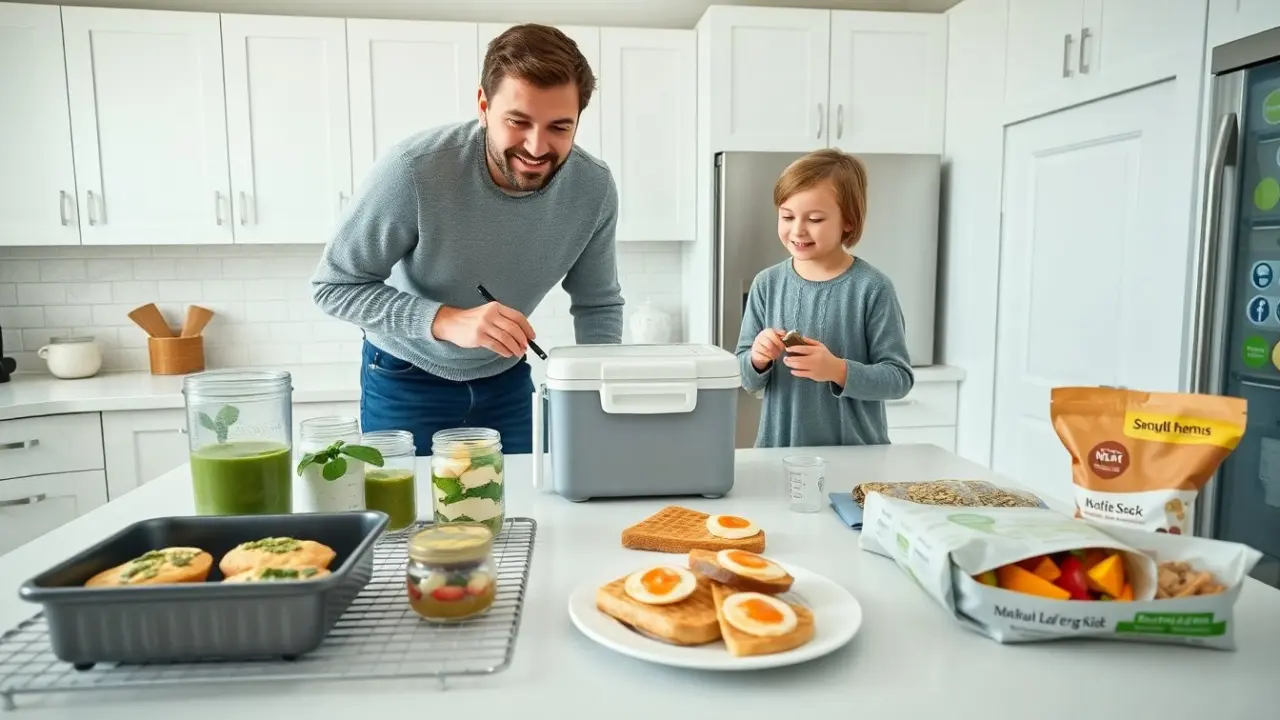
Parents can prep many healthy breakfast ideas for kids the night before. Prep reduces morning stress and increases variety. Below are ten quick, make-ahead options with brief notes on how to store and serve them so they travel well for school mornings or busy weekends.
- Overnight oats with milk, Greek yogurt, and fruit. Add chia or ground flax for fiber. Store in jars in the fridge for up to 3 days; stir and serve cold or warm briefly.
- Egg muffins with spinach, cheese, and bell pepper. Bake in a muffin tin, cool, and refrigerate or freeze. Reheat in the microwave or toaster oven for 30–60 seconds.
- Smoothie packs with frozen fruit, spinach, and oats. Pre-portion into freezer bags. In the morning, dump into a blender with milk or water for a quick smoothie; pour into a spill-proof cup for on-the-go.
- Yogurt parfait jars with granola and fruit. Layer plain or Greek yogurt, fruit, and granola in small jars. Add granola just before eating to keep it crunchy.
- Whole-grain waffles or pancakes made in a batch and frozen. Reheat in a toaster, air fryer, or microwave. Top with nut butter and fruit instead of syrup for better balance.
- Peanut butter banana rolls on whole-grain tortillas. Spread nut or seed butter, add banana, roll, and slice into pinwheels. Use sunflower seed butter for nut-free classrooms.
- Cottage cheese with fruit and a sprinkle of sunflower or pumpkin seeds. Portion into small containers for protein-rich breakfasts that travel well.
- Homemade mini frittatas stored in the fridge and reheated. Use seasonal vegetables and shredded cheese; these are easy to portion and freeze.
- Chia pudding made with milk and mashed banana. Mix chia seeds with milk the night before; top with fruit in the morning for added vitamins and texture.
- Fruit and nut bars made with oats and honey. Make a batch and cut into bars. These pack easily for school lunches and can be made with seeded or nut-free versions for allergy needs.
Tips for prep success: label containers with the day, keep single-serve portions at child height in the fridge to encourage independence, and mix sweet and savory options across the week. These healthy breakfast ideas for kids move from prep to plate in minutes and let families focus on consistency rather than perfection.
Five Simple Kid-Friendly Recipes You Can Cook In 10 Minutes
These recipes cook fast and use common ingredients. Parents can make them on weekday mornings if needed. Each recipe includes a quick tip for customization or allergy swaps.
- Scrambled egg and spinach toast: Whisk 1–2 eggs per child, cook quickly with a handful of chopped spinach and a pinch of salt. Spoon over whole-grain toast. Tip: add shredded cheese or swap spinach for diced tomato. Use tofu scramble for an egg-free option.
- Banana oat pancakes: Mash 1 ripe banana, mix with 1/2 cup oats and 1 egg (or 1/4 cup applesauce for an egg-free batter). Spoon small pancakes onto a hot skillet and cook 1–2 minutes per side. Tip: add cinnamon or mashed berries for flavor.
- Cottage cheese fruit bowl: Combine cottage cheese with chopped berries or pineapple and a drizzle of honey if desired. Sprinkle with chia or sunflower seeds for crunch. Tip: swap cottage cheese for plain yogurt for a similar texture.
- Quick yogurt bowl: Mix Greek yogurt with grated apple, a pinch of cinnamon, and a small handful of granola. Add sliced almonds or pumpkin seeds for protein and crunch; use seed mixes if there are nut allergies.
- Avocado and turkey roll-ups: Mash avocado, spread on whole-grain tortilla, layer thin turkey or chicken slices, roll and slice. Tip: add cucumber sticks for crunch or swap deli meat for hummus for a vegetarian option.
Each recipe offers protein and whole grains or fruit so children get steady energy. Encourage kids to choose toppings and help with simple steps like stirring or assembling—kids who help feel more excited to eat, which makes these healthy breakfast ideas for kids more likely to stick.
Practical Tips To Encourage Picky Eaters And Build Lasting Habits
Parents can use small changes to help picky eaters accept new foods. Offer choices rather than single options—for example, let the child pick between banana slices or berries, or between yogurt or cottage cheese. Pair a new food with a liked food so the new item feels lower risk. Present small portions and avoid pressure; short, calm meals foster better tasting experiences.
Other practical strategies:
- Repeat exposure: children often need many tries to accept a food, so keep offering small tastes without force.
- Involve kids: let them pick a fruit at the store, stir overnight oats, or assemble parfait jars. Ownership increases willingness to try new healthy breakfast ideas for kids.
- Make it fun: use cookie cutters for toast shapes, colorful plates, or themed breakfast days to boost interest without adding sugar.
- Set routines: consistent meal times make appetite more predictable. If mornings are rushed, prepare components the night before and set out backpacks and clothes the evening prior.
- Model eating: eat together when possible and show enjoyment of a variety of foods. Children copy adults’ eating habits more than they follow verbal instruction.
- Manage sweet exposures: limit juice and sugary snacks before breakfast to preserve appetite for balanced meals.
- Plan for school: pack leftovers or make-ahead breakfasts in insulated containers to keep foods safe and appealing. Coordinate with school allergy policies as needed.
- Keep a calm approach: pressure and rewards tied strictly to eating can increase resistance. Praise trying rather than finishing, and offer natural consequences like waiting until snack time if breakfast is refused.
Building lasting habits takes time. Use simple routines, realistic expectations, and repeated, low-pressure exposure to new items. With consistent small steps and an emphasis on balanced choices, families can maintain a rotation of healthy breakfast ideas for kids that support growth, learning, and better mornings for everyone.