They need toy storage ideas for small spaces now. This article lists clear, practical options that fit tight rooms. It shows how to use vertical space, hidden storage, and multiuse furniture. It helps parents reclaim floors and keep toys accessible. Read the short, direct tips and pick the ideas that match a home and budget.
Key Takeaways
- Toy storage ideas for small spaces include multiuse furniture like benches with lift seats and sleeper ottomans that combine seating with storage.
- Maximize vertical space with wall-mounted cubes, shallow shelves, and over-the-door pockets to keep toys accessible yet off the floor.
- Use labeled, clear plastic bins and designate one bin per child to encourage responsibility and simplify cleanup.
- Create toy storage zones by room, such as decorative trunks in living rooms and under-bed boxes in bedrooms to keep toys organized and easy to find.
- Establish daily cleanup habits and regular toy rotation to maintain a tidy small space and renew children’s interest in their toys.
- Choose child-safe, size-appropriate storage with smooth-close lids and maintain storage regularly to extend its life and keep toys in good condition.
Compact, Multiuse Storage Solutions That Maximize Every Inch
Parents who want toy storage ideas for small spaces often pick multiuse furniture. A bench with a lift seat stores stuffed animals. A coffee table with drawers hides blocks. A sleeper ottoman doubles as seating and a toy bin. These items cut clutter and keep rooms usable.
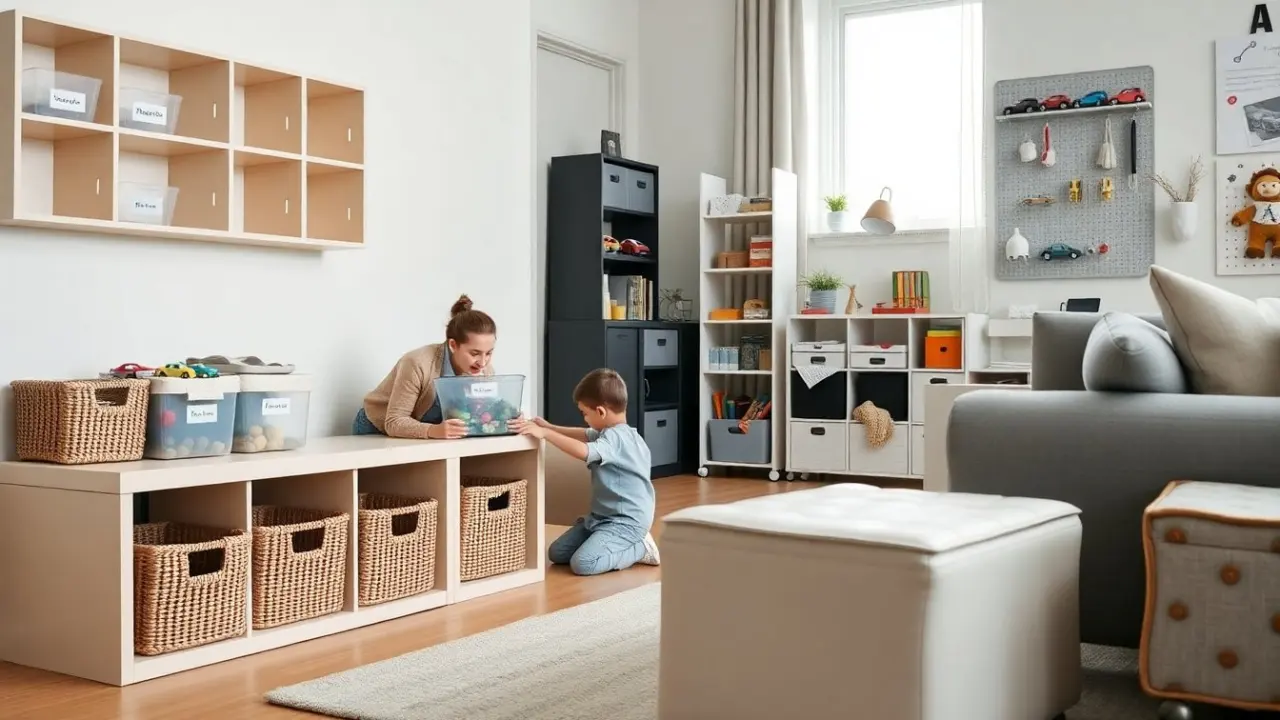
They should add stackable bins that fit closet shelves. Clear plastic bins show contents and speed cleanup. Label each bin with a picture and a single word. Toddlers can learn to match toys to labels.
Wall-mounted cubes and shallow shelves free floor space. Install a row of small cubbies at child height. Kids reach toys safely. Adults keep heavier bins on top shelves.
Use over-the-door pockets for small toys and art supplies. They slide behind doors and store cars, action figures, and craft items. A hanging shoe organizer works well for small parts.
A rolling cart adds flexible storage. Parents move the cart from room to room for play and cleanup. They tuck the cart under a table when guests arrive.
Narrow storage towers fit between furniture. They hold puzzles, books, and board games. The tower makes use of small gaps that usually go unused.
Under-bed boxes offer long, flat storage for trains and tracks. Choose boxes with wheels for easy pull-out. A low-profile bed frame can hold several labeled boxes.
A magnetic strip on a wall keeps metal toy cars and tools organized. A pegboard stores craft supplies and small bins. Both keep items visible and off the floor.
They should pick furniture that looks like furniture. Woven baskets and fabric bins match decor. This choice reduces the visual clutter that makes small rooms feel crowded.
Room-Specific Toy Storage Plans: Living Room, Bedroom, And Entryway
They need toy storage ideas for small spaces that work by room. The living room needs quick cleanup options. Use a decorative trunk for large toys. Use storage ottomans for soft toys and blankets. Place a slim cabinet with doors to hide blocks and games when guests come.
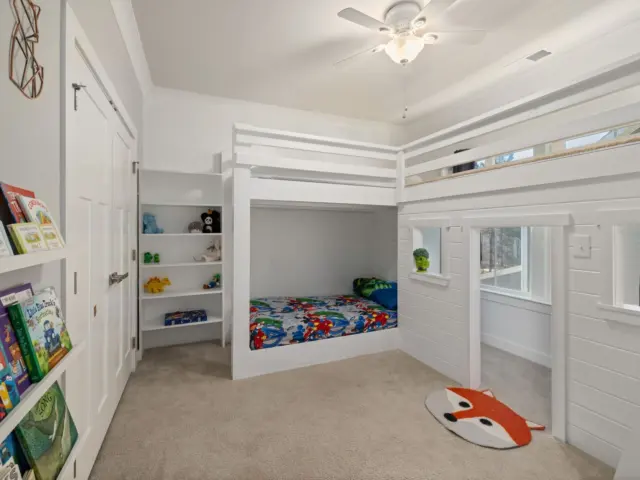
In the bedroom, parents should focus on sleep and play zones. Install a low bookshelf as a toy display and a nightstand. Use open bins under the bed for dress-up clothes and dolls. Anchor a wall shelf above a play rug to keep favorite toys at eye level.
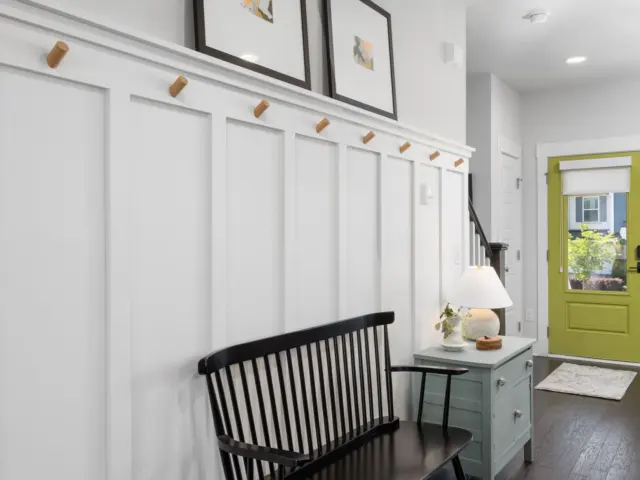
For the entryway, they must limit toys that travel in and out. Add a small wall hook rail for backpacks and dress-up capes. Use a shallow bench with cubbies below for shoes and small outdoor toys. A catchall basket near the door collects stray toys that would otherwise end up in the hallway.
In a studio or one-bedroom, divide zones with furniture. A bookshelf mid-room can separate a play area from the living area. Use matching bins on both sides of the shelf to keep the look tidy. A foldable play mat stacks vertically when not in use.
In shared family spaces, designate one bin per child. Label bins with colors or photos. Each child stores their toys in their bin after play. This rule keeps responsibility clear and simplifies cleanup.
They should set aside an accessible craft drawer in the living room. Keep scissors, glue sticks, and paper in a shallow organizer. This approach prevents craft supplies from invading every surface.
For small balconies or patios, use weatherproof bins for outdoor toys. Choose stackable models with lids. Parents avoid clutter in tight outdoor areas and protect toys from weather.
Practical Tips For Choosing, Organizing, And Maintaining Small-Space Toy Storage
They choose storage by size, weight, and frequency of use. Store heavy toys low and light toys high. Keep daily-play items within reach and store seasonal toys out of sight.
They sort toys into four groups: keep, donate, trash, and store. A quick monthly sort prevents overflow. Parents set a simple timer for a ten-minute purge and involve the child.
They use clear labels and one-word descriptions. Use photos for non-readers. A label reduces searching and speeds cleanup.
They rotate toys to reduce clutter. Place half the toys in storage and swap every two weeks. Rotation renews interest and cuts the number of visible toys.
They measure spaces before buying storage. Measure height, width, and depth. A measurement prevents returns and wasted trips to the store.
They pick smooth-close lids and child-safe materials. Avoid small parts for very young children. Choose non-toxic finishes for furniture that sits near play areas.
They set daily habits. Parents spend five minutes at bedtime to return toys to bins. They make cleanup a game with a small timer. A consistent habit keeps the space tidy.
They create a donation box and fill it during purge days. When the box fills, they drop it at a donation center. This habit keeps toy counts manageable.
They keep tools for repair nearby. A small kit for glue, thread, and spare batteries fixes many toys. Quick repairs prevent toys from moving to trash prematurely.
They inspect storage periodically for damage and pests. Replace bins that crack and wash fabric bins on schedule. This care extends the life of storage solutions.