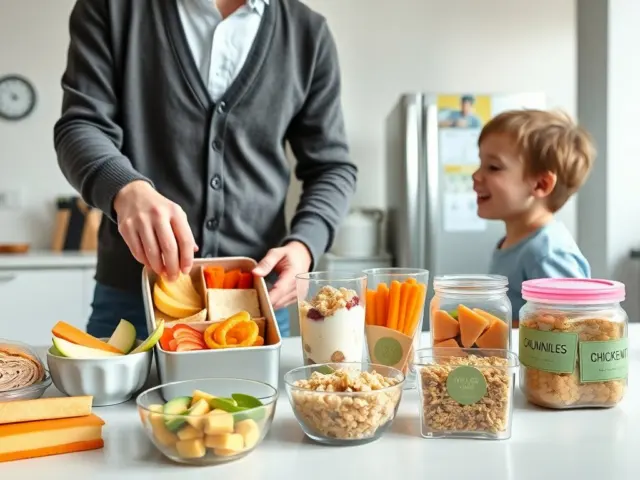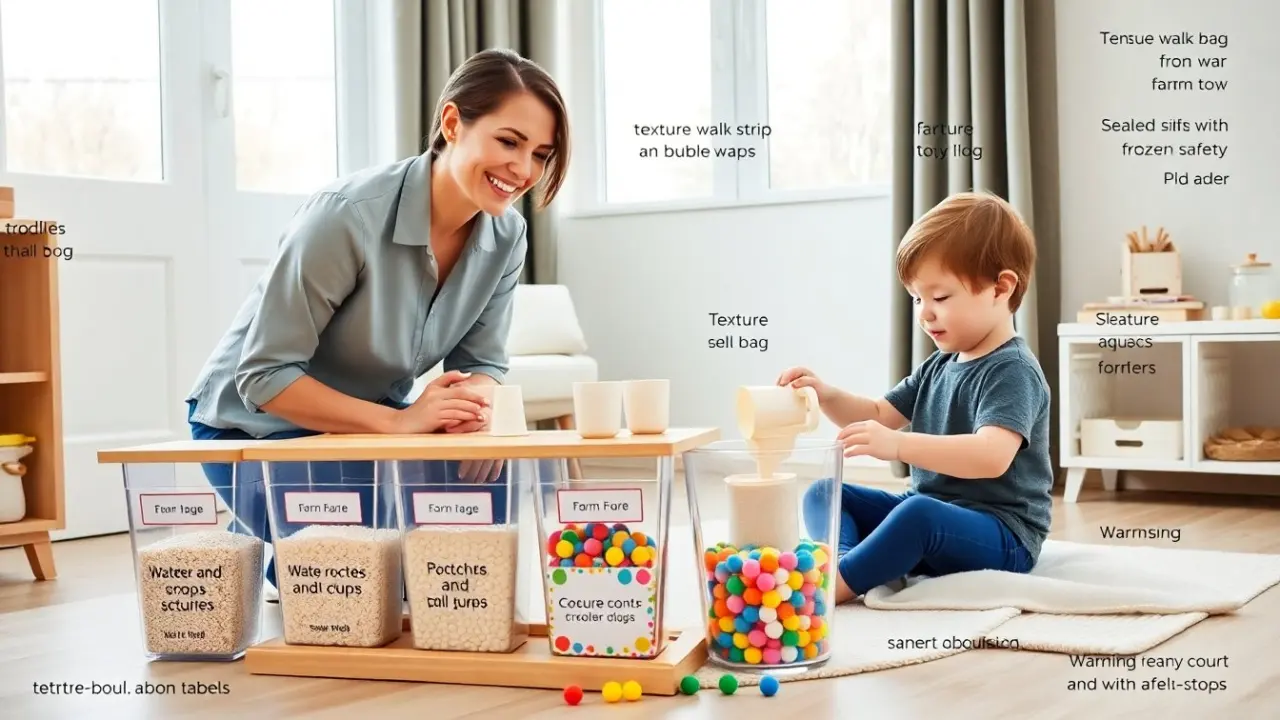
Parents who want practical play can use toddler sensory activities to support learning and motor skills. The activities work with common household items. They invite touch, smell, sight, and sound. Each idea below uses low prep and clear steps. The article lists safety notes and ways to adapt by age. It also shows how to set up simple sensory stations for a week of play.
Key Takeaways
- Toddler sensory activities enhance learning by supporting motor skills, language development, and sensory regulation through simple, low-prep play.
- Utilize common household items like rice, water, and yogurt to create engaging sensory activities that boost fine motor skills and cause-and-effect understanding.
- Always supervise toddler sensory activities closely, especially with small parts, and adapt materials based on the child’s age and developmental stage for safety.
- Setting up rotating sensory stations focusing on touch, sound, and sight promotes varied learning experiences and keeps toddlers engaged throughout the week.
- Mix high- and low-energy sensory activities strategically throughout the day to complement outdoor play and quiet times, fostering balanced development.
Why Sensory Play Matters For Toddlers
Sensory play helps toddlers learn cause and effect. It builds fine motor skills and hand strength. It strengthens language when adults name sensations. It improves focus by giving a clear task. It supports social play when children share tools or materials. It helps sensory regulation when a child feels calm after predictable input.
Caregivers should view toddler sensory activities as practice. Each session teaches a small skill such as pouring, squeezing, or matching textures. The activities also expose children to safe risks. These risks help the child test limits and build confidence. Regular sensory play complements reading and outdoor time. It gives a different path to the same skills: attention, coordination, and vocabulary.
Quick, Low‑Prep Sensory Activities You Can Do Today
- Rice Pouring: Fill a tray with dry rice and provide cups. The child pours, fills, and nests cups. This supports grip and eye–hand coordination.
- Water Pouring: Add plastic pitchers to a shallow bin. Wet play teaches volume and control. Use towels for quick cleanup.
- Finger Paint with Yogurt: Mix food coloring into plain yogurt. The child paints on butcher paper. This option is edible and easy to wash.
- Bubble Play: Blow bubbles and let the child pop them. Bubbles teach tracking and fine motor timing.
- Sensory Bag: Seal hair gel, water beads, or colored water in a zip pouch. The child presses the bag to move items. Bags contain mess and teach cause and effect.
- Ice Play: Freeze small toys in ice and let the child melt them with warm water. Ice play teaches temperature and persistence.
- Sound Shakers: Fill small bottles with beans or rice. The child shakes and sorts by sound. This supports auditory discrimination.
- Texture Walk: Lay different fabrics on the floor. The child walks or crawls over them with bare feet. This teaches texture and balance.
Most activities use items at home. Each task takes five to twenty minutes. The adult watches, names actions, and models new words.
Simple Safety Tips And How To Adapt Activities By Age
Keep small parts away from children under three. Supervise all toddler sensory activities closely. Use edible materials for the youngest children. Check for allergies before using food items. Secure bags and seal lids to prevent spills and choking.
For 12–18 months: Offer large, soft materials. Use bowl-sized scoops and large blocks. Use edible paint and soft textures. Keep sessions short and simple.
For 18–24 months: Add tools such as tongs and small cups. Offer simple open-and-close containers. Introduce two-step tasks like scoop-and-pour.
For 24–36 months: Introduce sorting by color or size. Offer fine motor challenges like threading large beads. Add simple counting during play to boost early math.
Adjust height of tables and placement of bins for posture. Move materials to a floor mat for children who prefer sitting. Remove items that cause prolonged distress. Rotate items if a child loses interest.
Structured Sensory Stations: How To Set Up, Rotate, And Plan A Week
Set up three stations in a small space. Station A focuses on touch, Station B on sound, and Station C on sight and fine motor work. Label each station with a picture. Allow the child to stay five to twenty minutes at each station. Rotate stations every other day to keep materials fresh. Keep a small basket of backup items for transitions.
When planning a week, mix high- and low-energy activities. Place calm sensory play near quiet times. Place active sensory play near outdoor or high-energy slots. Use common household items to reduce cost. Store materials in clear bins so an adult can find them quickly.
Sample Weekly Rotation With Materials List
Day 1, Touch: Rice bin, scoops, cups, small toys. Day 2, Sound: Shaker bottles, metal spoons, pots. Day 3, Sight/Fine Motor: Colored pom-poms, tweezers, muffin tin. Day 4, Water: Pitchers, cups, towels. Day 5, Cold/Explore: Ice tray with frozen toys, warm bowls. Day 6, Texture Walk: Fabrics, bubble wrap, rug squares. Day 7, Free Choice: Mix items from other days.
Rotate one material each week. Replace worn items and wash fabrics regularly. Keep the plan flexible. Observe which toddler sensory activities get the most attention and repeat them more often.