Parents need easy plans for toddler birthday activities that still feel fun. This guide lists ten simple ideas that fit small rooms and short attention spans. It shows timing, guest-count tips, three activity stations, active group games, snack ideas, cake notes, and safety checks. It helps hosts keep the party calm and joyful. The reader can pick two or three activities and move on quickly.
Key Takeaways
- Planning toddler birthday activities around the child’s best awake window and keeping the party short (60–90 minutes) ensures a calm, enjoyable celebration.
- Setting up multiple simple, screen-free activity stations like bubble play, sensory bins, art tables, soft-building zones, and music and dance keeps toddlers engaged and entertained.
- Limiting guest numbers and maintaining a high adult-to-toddler ratio promotes safe supervision and smooth transitions between activities.
- Providing easy-to-eat snacks and low-sugar cakes with clear allergy notes supports toddler health and minimizes mealtime stress.
- Preparing a quiet area for meltdowns and using calm, reassuring strategies helps manage toddler emotions without forcing participation.
- Clear invitations and a loose schedule offer structure that guides adults and children while allowing flexibility for toddlers’ needs.
Quick Planning Guide: Timing, Guest List, And Essentials
Parents set the party time to match the toddler’s best awake window. They keep celebrations to 60–90 minutes. They pick a start time one to two hours after a nap. Parents limit the guest list to close family and a few friends. They aim for one adult per three toddlers for safe supervision.
Hosts choose a simple venue. They use a living room, backyard, or community room. They clear sharp objects and fragile items. They mark play zones with tape or rugs. Hosts prepare a quiet corner for rest.
Parents gather simple supplies. They buy washable floor mats, nonbreakable plates, and spoons. They prepare extra clothes and spill wipes. They pack a small first-aid kit and child-safe sunscreen if the party is outside.
Hosts set expectations in invitations. They state start and end times clearly. They ask guests to bring one caregiver per child. They list allergy notes and snack rules. Clear instructions help parents arrive prepared.
Parents create a loose schedule. They set 10–15 minutes for free play, 15–20 minutes for a main activity, 10 minutes for cake, and 10–15 minutes for open play or cozy wind-down. The schedule gives adults a guide but stays flexible. It reduces stress and helps toddlers move from one activity to the next.
Five Simple, Screen-Free Activity Stations (Setup + Variations)
Hosts arrange five stations around the room. Each station runs for 10–15 minutes. Toddlers rotate with adult help. Parents label each station with a picture and a short instruction.
Station 1: Bubble Play
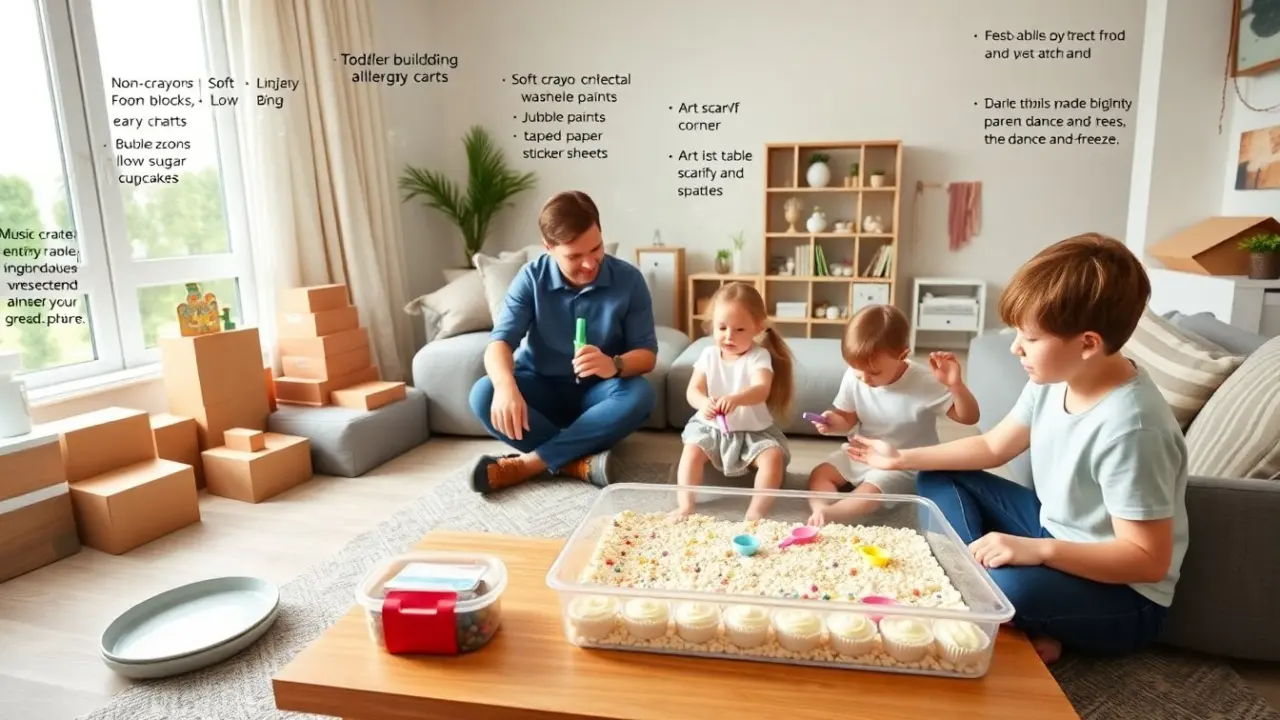
Parents set a shallow dish with a bubble solution and large bubble wands. Adults blow bubbles for toddlers. Variations include a bubble machine and bubble-wrap stomp.
Station 2: Sensory Bin
Hosts fill bins with dry pasta, rice, or water beads. They add scoops, cups, and small toys. Adults supervise scooping and pouring. Variations use colored rice or themed toys.
Station 3: Art Table
Adults tape paper to the table and offer jumbo crayons and stickers. Parents use washable paints and stampers for small groups. Variations include handprint art and sticker collages.
Station 4: Soft-Building Zone
Hosts provide foam blocks, large cardboard boxes, and pillows. Toddlers stack and knock down towers. Adults guide safe building and gentle play. Variations include simple puppet shows from a box.
Station 5: Music And Dance
Adults set a kid playlist and provide shakers and scarves. Toddlers move and freeze on a cue. Variations include simple parachute play with a sheet.
Hosts keep transitions short. Adults use a bell or song to signal rotation. They move slower toddlers between stations with calm comments.
Active Group Games And Circle-Time Ideas For Toddlers
Adults lead short circle times that last 5–10 minutes. They sing familiar songs with actions. They use simple props like a soft ball or puppet. Games include ‘Pass the Ball’ and ‘Ring Around the Rosie.’
Adults run one movement game for 5–7 minutes. They use a soft parachute or a follow-the-leader walk. They adapt movements to each child’s ability. They avoid long instructions and keep the pace steady.
Circle time includes a short story and a goodbye song for pets or toys. Adults ask one simple question to involve each child. Clear prompts help shy toddlers join. The group games boost sharing and turn-taking skills.
Snacks, Cake, Safety, And Managing Meltdowns
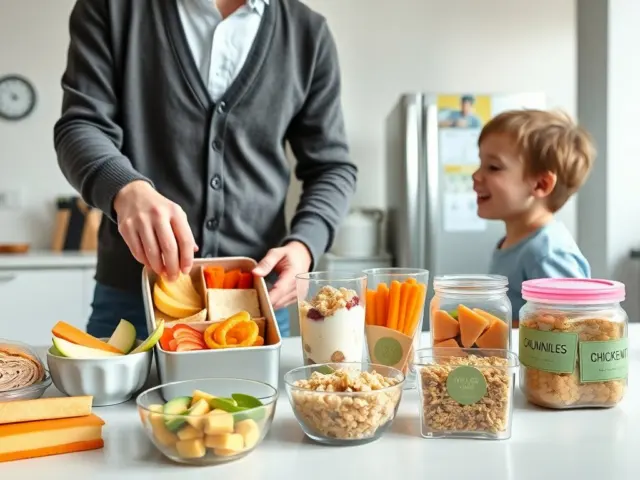
Hosts offer simple snacks that toddlers can pick up easily. They serve cut fruit, cheese sticks, plain crackers, and mini sandwiches. They avoid whole grapes, nuts, and hard candies unless they cut and supervise. Hosts label food with allergy notes.
For cake, parents pick a small, low-sugar cake or cupcakes. They pre-slice larger cakes for fast service. They use candles only with adult control and keep a water cup nearby. They have a few spare napkins and bibs for messy faces.
Hosts set clear safety rules. They lock doors and block stairs. They place a non-slip mat under active areas. They check toys for small parts before the party. They assign one adult to watch water areas and another to watch the food table.
Adults prepare for meltdowns. They create a quiet area with a blanket, soft toy, and low lighting. They offer a calm drink and a slow, reassuring voice. They let the child rest for five to ten minutes if needed. Adults do not force a child back into the group.
Parents keep pickup calm. They thank guests and hand out small, age-appropriate favors. They remind parents of any left items and share a quick photo if families consent. This final step closes the event on an organized note.