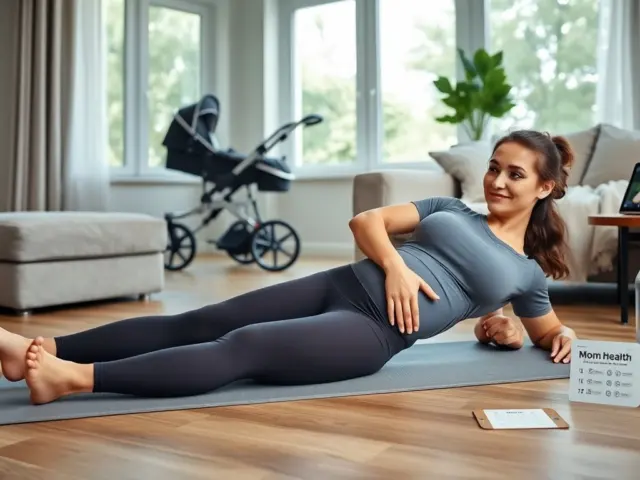
Postpartum gym workout plans help new mothers restore strength and movement safely. The article explains when she can return, how she should protect her core and pelvic floor, and how she can structure a 30–40 minute gym session. The writing uses clear steps and simple progressions. The guidance suits mothers with medical clearance and common postpartum issues such as diastasis recti and pelvic floor weakness.
Key Takeaways
- A postpartum gym workout should begin only after medical clearance, typically after six weeks, and high-impact exercises must be avoided until pelvic floor control is regained.
- Start the postpartum gym workout by focusing on core and pelvic floor activation using gentle exercises like pelvic floor squeezes and diaphragmatic breathing.
- Structure the workout into a 30–40 minute session including warm-up, strength circuits with light equipment, core exercises, and a cool-down to balance strength and mobility.
- Plan to exercise three times per week with rest days in between, progressively increasing load while monitoring symptoms like pelvic pressure or leakage.
- Prioritize recovery through adequate sleep, hydration, protein intake, and regular check-ins with pelvic health specialists to safely advance postpartum gym workouts.
When To Return: Timing, Medical Clearance, And Red Flags
A postpartum gym workout should start only after medical clearance. She should wait for a six-week check unless a provider advises otherwise. High-risk births, cesarean deliveries, or complications require extended clearance. She should avoid high-impact moves until she can do a pelvic floor contraction without leakage. Red flags that stop exercise include heavy bleeding, sharp pain, dizziness, or new swelling. If she feels increased pelvic pressure or bulging at the midline during exercise, she should pause and consult a clinician. Providers may refer her to pelvic health physical therapy before gym work.
Core And Pelvic Floor First: Foundational Exercises To Rebuild
A postpartum gym workout should start with core and pelvic floor activation. She should learn a gentle pelvic floor squeeze and a neutral spine breath. The program should include diaphragmatic breathing, pelvic floor holds, and low-load abdominal exercises. She should avoid intense abdominal crunches until she regains control. Progress should move from supine to seated to standing patterns. She should monitor for bulging or doming at the midline. If bulging appears, she should regress to earlier progressions and seek professional input.
Sample 30–40 Minute Gym Workout Split For New Moms
A sample postpartum gym workout should fit into 30–40 minutes and balance core, strength, and mobility. She should follow a three-part split: warm-up, main circuits, and cool-down. The plan below uses simple equipment: band, light dumbbells, and a bench.
Main split (30–40 minutes):
- Warm-up: 5–7 minutes of walking, hip circles, and breathing drills.
- Circuit A (3 rounds): 8–10 supported glute bridges, 8 band rows, 10 heel slides.
- Circuit B (3 rounds): 8–10 goblet squats with light dumbbell, 8 standing single-arm press, 10 bird-dogs (each side).
- Core finish: 2 sets of 8 supported dead bugs or modified planks (10–20 seconds).
- Cool-down: 5 minutes of hip flexor stretch, chest opener, and relaxed breathing.
She should rest 30–60 seconds between sets and adjust reps to fatigue without strain.
Programming Tips, Frequency, And Recovery Strategies
She should plan a postpartum gym workout three times per week for the first four to eight weeks after clearance. She should include at least one full rest day between sessions. She should pair gym days with light walking or mobility work on off days. Progress should increase load or volume by 5–10% every two weeks if she has no symptoms. She should prioritize sleep, hydration, and protein to support recovery. She should track symptoms like pelvic heaviness, leakage, or midline bulge and reduce intensity if those appear. A check-in with a pelvic health specialist every 6–12 weeks helps adjust programming.