Hidden toy storage ideas help families reduce clutter and keep rooms tidy. The article lists practical options that blend with decor. It shows clear choices for small spaces, living rooms, and bedrooms. Each idea focuses on simple access and fast cleanup. The reader will find solutions that hide toys and keep style intact.
Key Takeaways
- Hidden toy storage ideas help reduce clutter by utilizing under-bed drawers and rolling bins for easy access and space-saving solutions.
- Wall art and frames that double as toy storage keep small toys visible and organized while enhancing room decor.
- Toy trunks and lidded baskets serve as stylish storage options that conceal toys and contribute to a tidy living space.
- Multiuse furniture with concealed compartments offers functional storage that maintains a clean and uncluttered room appearance.
- Quick-declutter stations near entryways provide fast, stress-free toy containment and encourage simple cleanup habits for families.
Under-Bed Pull-Out Drawers And Rolling Bins
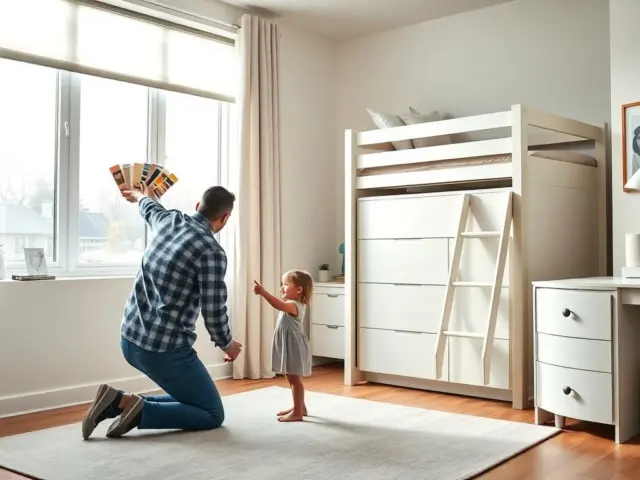
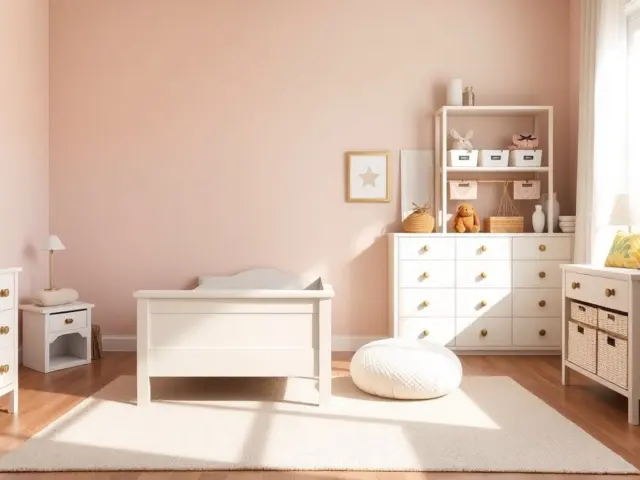
Under-bed pull-out drawers provide large storage without taking floor space. They slide out for playtime and slide back to hide items. Rolling bins fit under low beds and move easily across floors. Parents can label drawers for categories like blocks, dolls, and cars. A low-profile bin keeps the room tidy while the child accesses toys. The reader sees how hidden toy storage ideas can use dead space and simplify daily cleanup. Choose durable plastics or wood for weight and wear resistance. Add casters for smooth motion and child-safe handles for easy use.
Practical tips: measure the clearance under the bed before buying so drawers or bins actually fit; consider shallow, divided trays for puzzles and craft supplies to keep small pieces separate; use clear or labeled fronts so kids can find items without unpacking everything. For families with active toddlers, look for soft-close mechanisms and rounded corners to reduce pinches, and secure any roll-away solutions with simple wheel locks or stop blocks when in use. If you prefer a DIY approach, a basic wooden drawer on furniture-grade casters can be painted to match a room’s palette while adding durability.
Wall Art And Frames That Double As Toy Storage
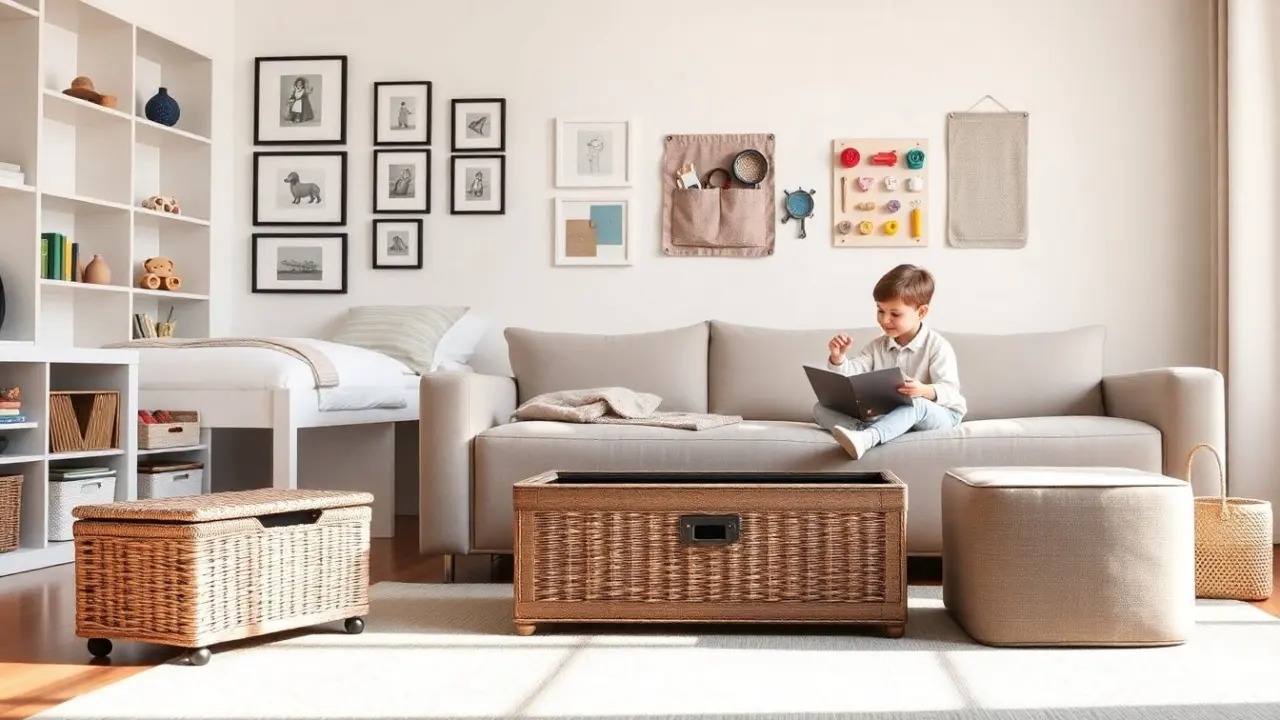
Wall art with built-in pockets stores small toys and crafts. Picture frames convert to shadow boxes for action figures and small cars. The art hides clutter and adds personality to a room. Magnetic boards serve as display areas and storage for metal toys. Use shallow shelves with lip edges to secure items. The family can rotate displays to keep interest high. These solutions keep toys off floors and within sight, so kids remember what they own. The designs help adults maintain a tidy look while giving kids easy access to favorites.
How to implement: choose wall-mounted storage at child height to encourage independent cleanups; mix closed frames with open slots so some items become part of the decor while others are stashed away; use removable adhesive hooks or French cleats for secure mounting without damaging drywall. Consider themed arrangements (vehicles, stuffed animals, craft supplies) and swap pieces seasonally to maintain novelty. For safety, ensure heavier pieces are anchored into studs or anchored with suitable drywall anchors to prevent tipping.
Toy Trunks And Lidded Baskets That Look Like Decor
Toy trunks hide large toys and double as seating. Lidded baskets conceal stuffed animals and soft toys. Choose textures and colors that match room decor to keep a cohesive look. A woven basket can sit next to a sofa and serve as a side table. A vintage trunk can become a focal point and store board games. Labels inside lids guide cleanup without exposing contents. These pieces let adults hide toys quickly when guests arrive. They offer heavy-duty storage while keeping the room stylish and calm.
Selection and placement tips: pick baskets with inner liners for easy laundering, and choose trunks with lightweight hinged lids or safety hinges to prevent slamming. When placing seating-trunks in living areas, leave a small clearance for ventilation and easy opening. Use a mix of sizes so you can separate large bulk items (ride-ons, oversized plush) from smaller odds-and-ends. To keep contents organized inside a trunk, add cloth bins, removable dividers, or zip pouches for loose parts like puzzle pieces or game tokens.
Multiuse Furniture With Concealed Compartments
Multiuse furniture stores toys inside plain surfaces. The pieces look like regular furniture but hold gear within. This approach keeps rooms functional and uncluttered. It suits living rooms where toys must stay out of sight yet remain accessible.
Examples and best uses: ottomans with removable tops, benches with flip lids, coffee tables with hidden drawers, and bookcases with cubby backs that open into storage. When selecting multiuse pieces, check weight limits if children will sit on them and test how easily a child can open the compartment to encourage independent use. For rooms with limited space, choose furniture that combines seating and storage or pieces that stack and nest. Maintenance-wise, pick upholstery that wipes clean and finishes that tolerate frequent handling; removable inner containers make rotating toys or seasonal swaps easier.
Quick-Declutter Stations For Guests And Busy Days
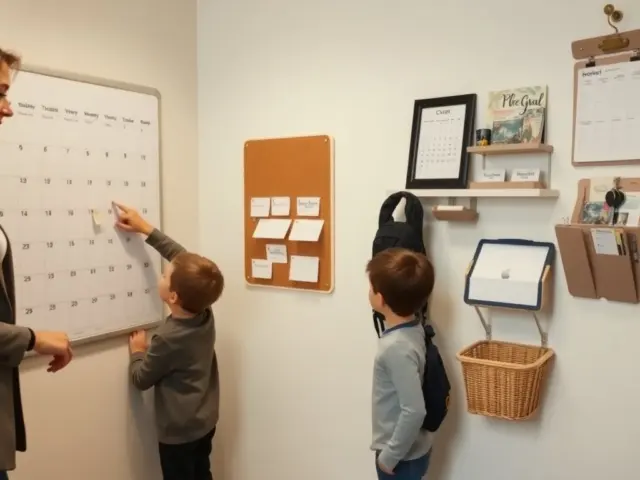
Quick-declutter stations offer fast containment when guests arrive. A basket by the door holds a variety of toys until hosts return to sort. Portable tote bags work for outdoor toys and pool items. The family can assign a catch-all bin for last-minute pickups. The station reduces stress when time is short and hides visual clutter. It also teaches children one-step cleanup habits. Place a station near common traffic areas to encourage use. These stations pair well with other hidden toy storage ideas to keep the home orderly.
Design ideas for effectiveness: keep a small caddy stocked with sanitizing wipes, a lint roller, and a lightweight blanket to make the declutter station serve double duty for hosting; include a simple checklist or color-coded system so kids know what goes where during a five-minute clean-up; use durable, stackable crates that slide under benches or into closets when not in use. Train family members with short, consistent routines—like a nightly five-minute pickup—so the stations complement longer-term storage solutions rather than become long-term dumping grounds. Rotate and purge periodically so the catch-all doesn’t become the permanent home for forgotten toys.